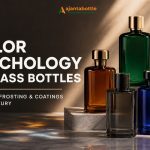




Luxury packaging is not that often accidental. Prior to a customer reading a label, trying a fragrance or comparing ingredients, they react to the visuals which convey quality, exclusiveness and trust. In glass bottle packaged products, they are commonly cues of color, texture and surface treatment as opposed to shape alone.
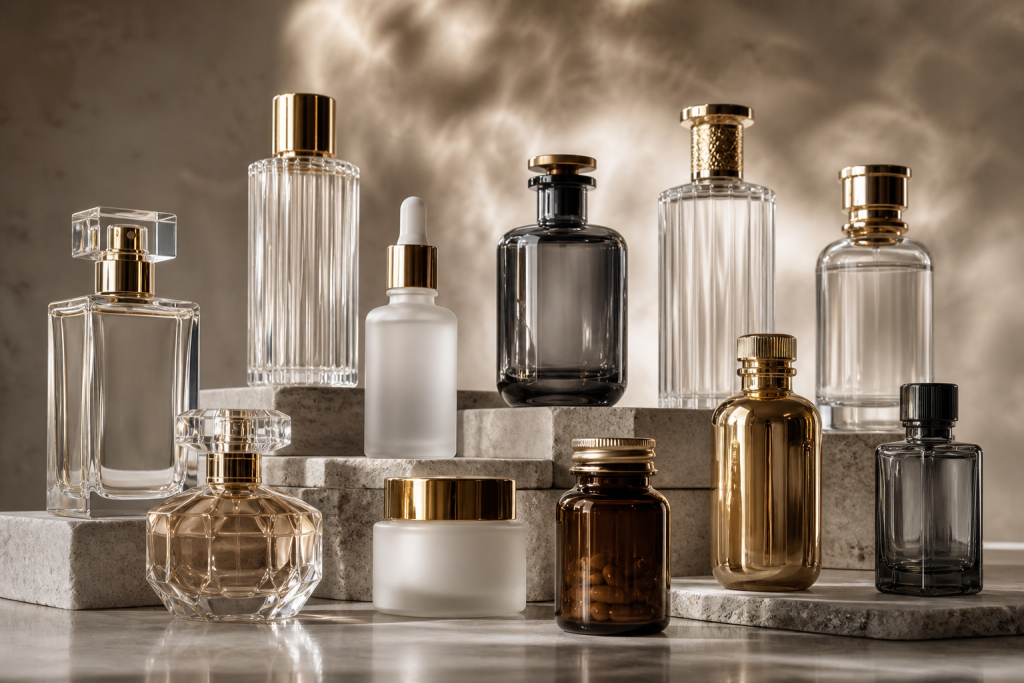
For perfume, cosmetics, skin care, pharmaceuticals, beverages and gifting products, these details do count since buyers do not simply buy the product. They buy what the packaging tells them about the product. A transparent bottle may be sincere and up to date. A grey smoky bottle may be elegant and exclusive. Frosted white means purity, softness, and restraint. There is a metallic plating that can force the perception to prestige, celebration or ceremony.
Why Color Psychology Matters in Glass Bottle Packaging
Color psychology is the science of color perception, emotion and choice. Color does not work independently in packaging. It collaborates with material, finish, weight, transparency and decoration.
In glass, this effect becomes even more nuanced because color interacts with light. A paper label prints color on a flat surface. Glass transmits, reflects, softens, or deepens color depending on thickness, transparency, frosting, and coating method. That makes glass one of the most expressive packaging materials for premium products.
When people describe a bottle as “luxurious,” they are often responding to several layered signals:
- The perceived rarity of the finish
- The softness or sharpness of the light reflection
- The emotional tone created by the color
- The degree of transparency or concealment
- The consistency between the packaging and product category
Luxury packaging usually does not scream. It signals. It feels deliberate, polished, and controlled. That is exactly why finish decisions matter so much.
What Frosted Glass Bottle Design Communicates
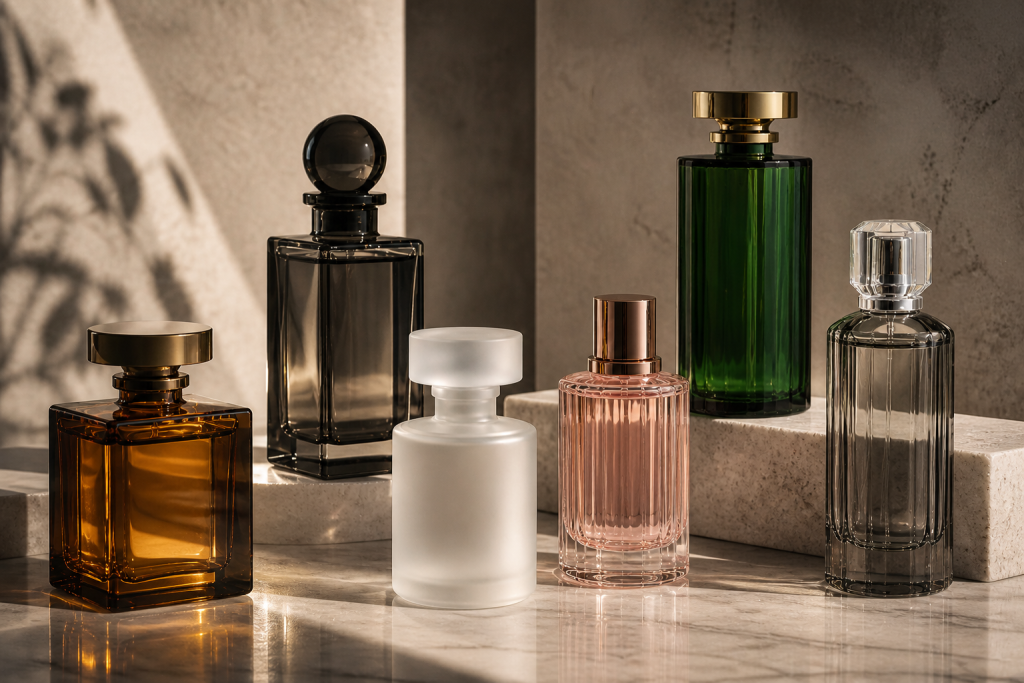
A frosted glass bottle design will diffuse the harshness of the design and have a velvety look. Frosted glass bottle diffuses the light, rather than reflecting it sharply off a shiny, clear surface. This softening effect makes an instant difference in the perceived character.
Depending on the product and brand identity, frosted glass bottle can communicate:
1. Sophistication
The frosting just feels more refined than a plain, transparent glass bottle, because it’s not so loud as to be a distraction. It conveys the impression of attention to detail.
2. Soft Luxury
A shiny bottle might look like it’s being used to shoot a bold, glamorous shot. A frosted glass bottle is generally considered to be calm and simple and has a quality of silent luxury. It is particularly beneficial for skincare, fragrances, and products related to wellness.
3. Purity and Cleanliness
Purity, minimalism and care are often considered to be the key characteristics of white or light frosted finishes. This is how they are effective in medical beauty, premium personal care and serums and lotions.
4. Privacy and Mystery
Frosting partially hides the product, which creates intrigue. Consumers cannot fully see everything at once. In fragrance and gift packaging, that restraint often enhances desire.
5. Premium Tactility
Even before touch, the finish suggests a tactile experience. When the surface is physically matte or visually soft, consumers anticipate a more crafted and elevated product.
The Role of Tint in Luxury Perception
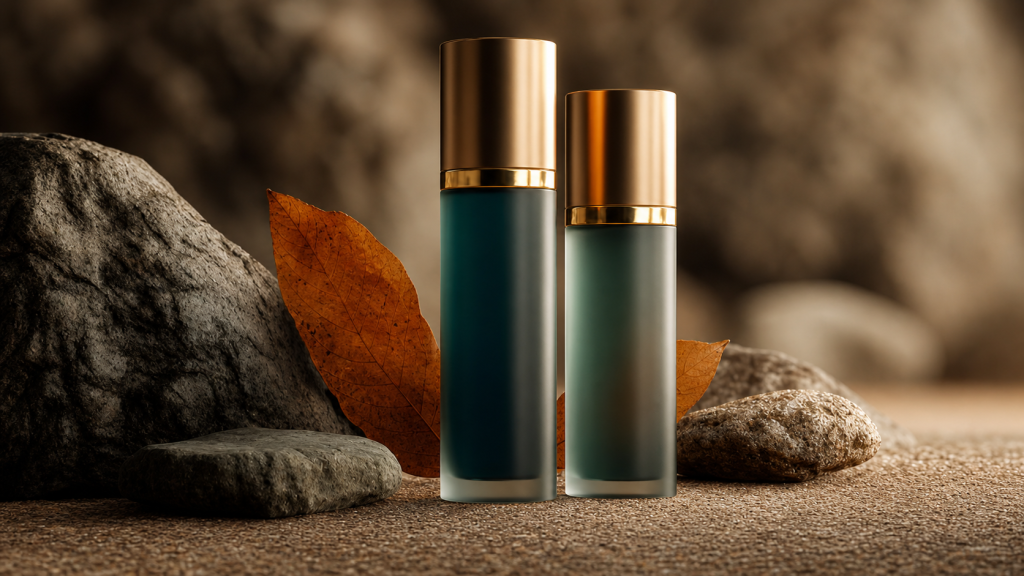
Tint changes the emotional voice of the glass. Even subtle shifts in tone can alter how premium or accessible the final pack appears.
A clear bottle shows the formula and emphasizes transparency. A tinted bottle adds mood, storytelling, and differentiation.
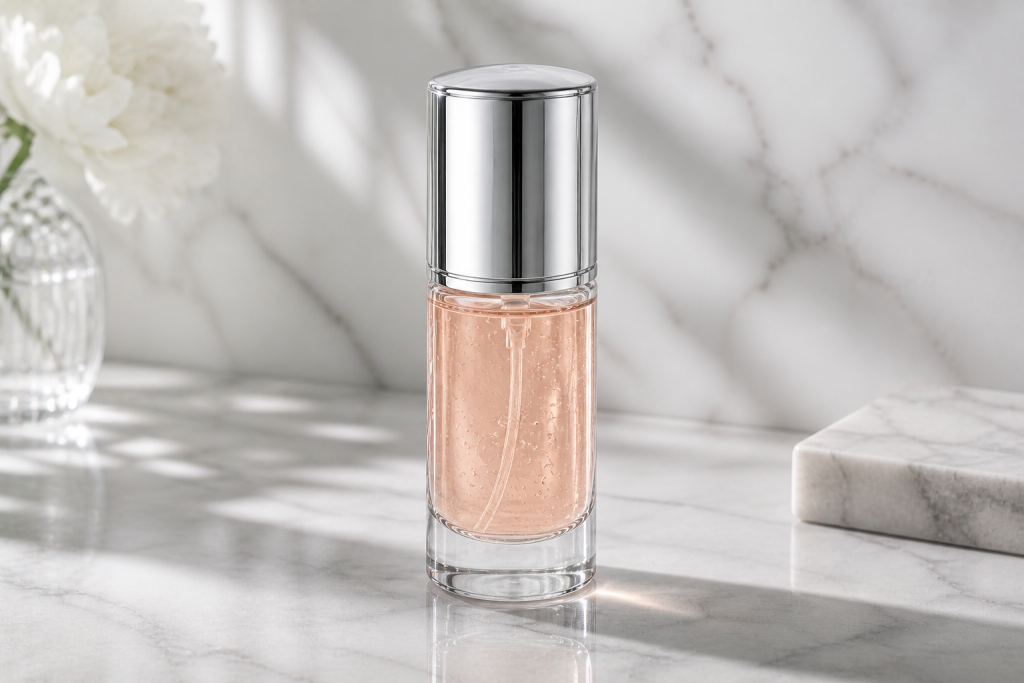
Clear Glass Bottle
Clear glass is associated with honesty, freshness, modernity, and product visibility. It works well when the product itself is visually beautiful or when transparency supports trust.
But clear glass is not always enough for luxury. Without strong decoration or a distinctive silhouette, it can also feel basic. To make clear glass feel premium, brands often pair it with heavier glass bases, metallic details, embossed branding, or precise minimal decoration.
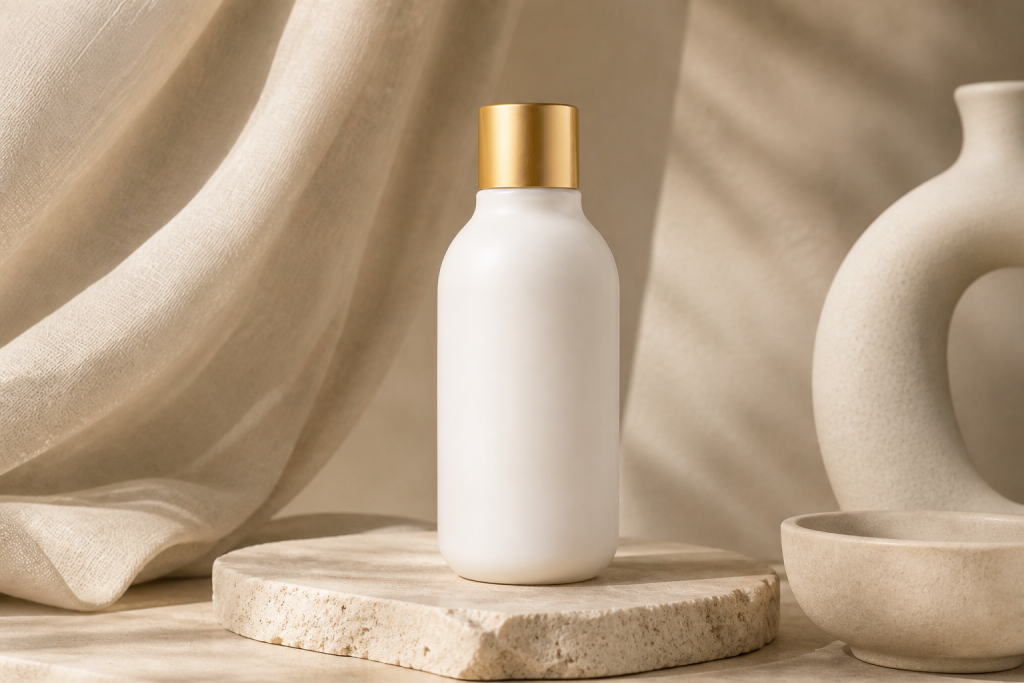
White or Opal Tones
White-tinted or milk-like finishes often signal cleanliness, softness, purity, and high-end simplicity. In beauty and wellness packaging, they can make a product feel calm and premium rather than loud and trend-driven.
This finish is particularly effective when the brand wants to evoke dermatological trust, gentle efficacy, or minimalist luxury.
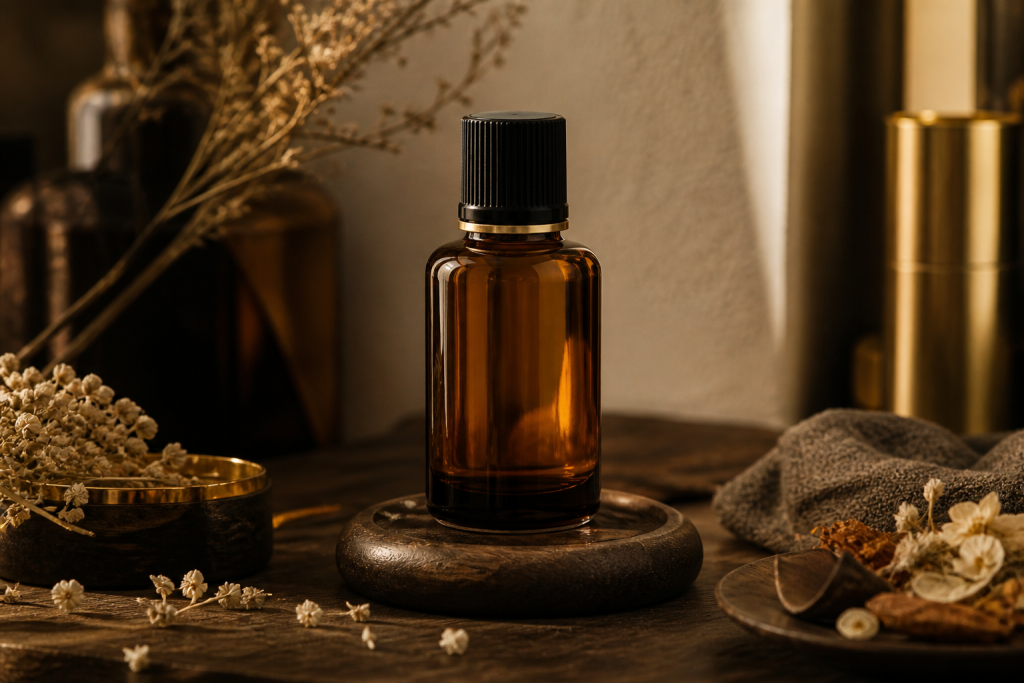
Amber and Warm Tones
Amber suggests heritage, apothecary influence, ingredient protection, and authenticity. It works beautifully for essential oils, pharmaceutical packaging, botanical skincare, and artisanal beverages.
However, amber luxury depends on execution. In some contexts, it can feel functional rather than premium. To elevate it, brands often combine amber tones with refined typography, structured bottle forms, and elegant closure systems.
Green Tints
Green can signal naturalness, freshness, sustainability, heritage, or luxury depending on the shade. Deep forest green may feel rich and classic. Pale sage may feel modern and calm. Bright green can feel energetic but less premium
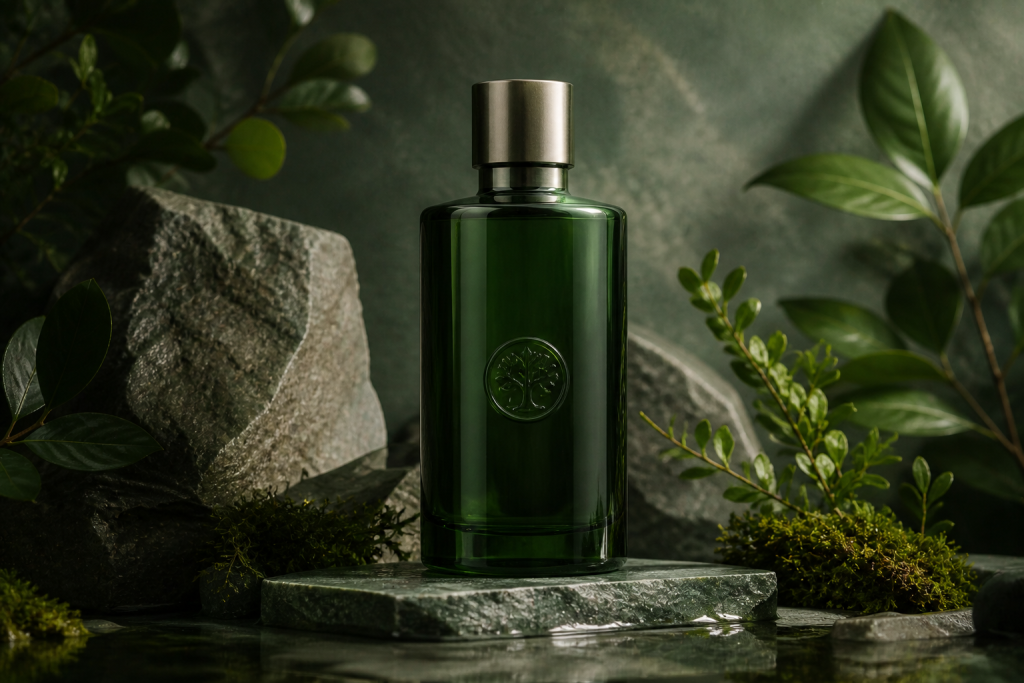
For premium markets, muted or deep greens usually perform better than highly saturated tones.
Blue Tints
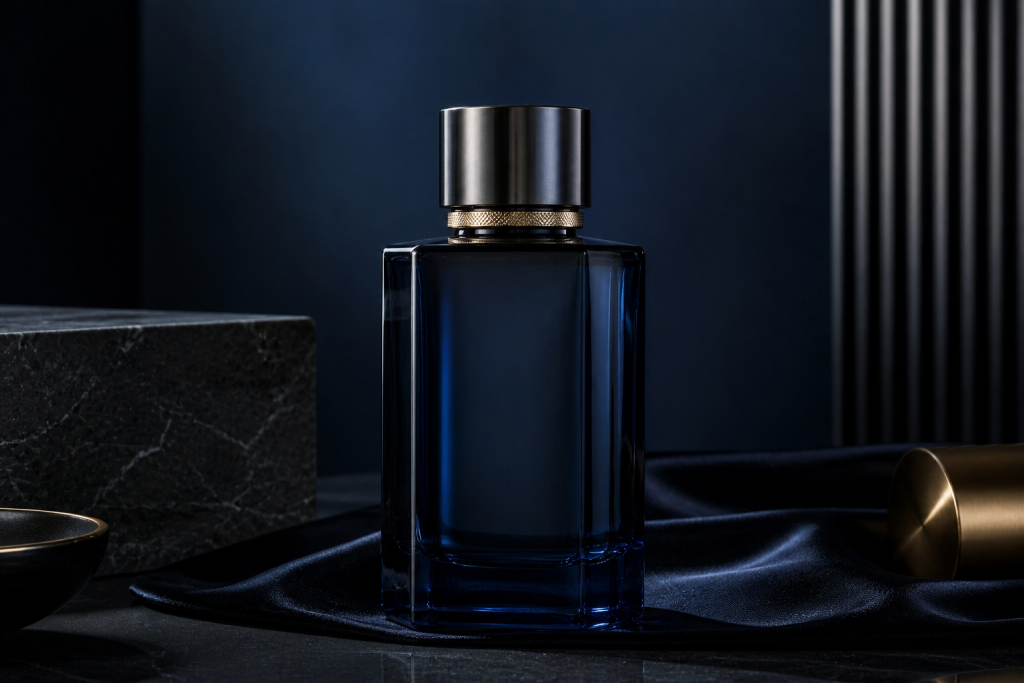
Blue communicates calm, trust, precision, and cool elegance. Pale blue can feel clinical and soothing. Deep blue often feels premium, intellectual, and nighttime-oriented. It works well in wellness, men’s care, skincare, fragrance, and selected beverage categories.
How Frosting Changes the Same Color
One of the most important packaging insights is that color behaves differently on glossy glass bottle versus frosted glass bottle.
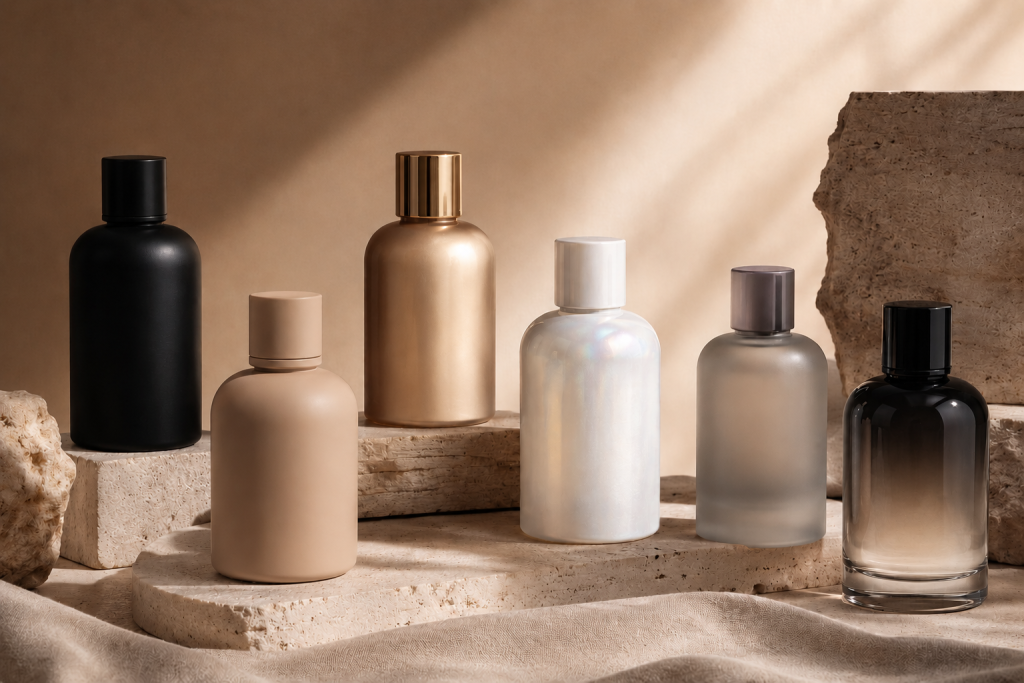
A glossy-tinted bottle often feels more vivid, reflective, and assertive. A frosted tinted bottle feels softer, more atmospheric, and more curated.
For example:
- Glossy black may feel glamorous or bold.
- Frosted black often feels quieter, niche, and more exclusive.
- Glossy pink may feel playful.
- Frosted blush can feel elegant and premium.
- Glossy white may feel sterile.
- Frosted white can feel luxurious, soft, and clean.
This is why frosted glass bottle design is not just a surface treatment. It is a perception tool. It changes how the same color is emotionally received.

How Coatings Add Another Layer of Luxury
Coatings are often used to create specific visual, tactile, and brand effects on glass bottle. They can transform basic bottles into premium packaging assets.
Depending on the method and finish, coatings can create:
- Matte surfaces
- Soft-touch effects
- Opaque color finishes
- Metallic appearance
- Pearlescent glow
- Gradient transitions
- UV-protective surfaces
- High-contrast decorative zones
A coating should never be treated as decoration alone. It changes how light behaves, how the pack photographs, how it looks on shelves, and how it feels in hand.
Matte Coatings
Matte coatings reduce shine and create a restrained, modern, high-end look. They are especially effective for minimalist luxury brands that want to avoid loud reflections.
Soft-Touch Coatings
These create a tactile premium feel and are often associated with indulgence, craftsmanship, and elevated user experience. Soft-touch finishes are powerful in perfume and cosmetics because they reinforce the idea that the product is sensorial from the first contact.
Metallic Coatings
Gold, silver, champagne, bronze, and gunmetal coatings can create high-value cues quickly. They work well for limited editions, gift packaging, festive releases, and prestige positioning.
The risk is overuse. Too much metallic treatment can make a pack feel flashy rather than luxurious. Controlled application usually wins.
Gradient and Translucent Coatings
Gradients help transition the eye and create movement. They are useful when a brand wants a modern premium effect without using heavy decoration. A subtle gradient can feel more current than a fully opaque treatment.
Pearlescent and Shimmer Effects
When executed with restraint, these finishes can suggest delicacy, beauty, and premium uniqueness. They are often used in fragrance, skincare, and gifting.
Luxury Is Not Just About Looking Expensive
One of the biggest packaging mistakes is equating luxury with visual excess. Real luxury cues are often more controlled.
High-end glass bottle packaging usually succeeds because it feels:
- Intentional
- Balanced
- Consistent
- Tactile
- Memorable
- Appropriate to the product
A bottle can use gold, black, frosting, and embossing and still fail if the combination feels forced. Another bottle can use a muted frosted glass bottle neutral, simple typography, and a well-matched cap and feel far more premium.
Luxury is perception discipline. Every element should support the same message.
How Different Industries Use Frosted Glass Bottles
Perfume and Fragrance
Perfume is one of the strongest categories for frosted glass bottle design because desire begins visually. Frosted glass bottle finishes add softness, mystery, and sensory expectation.
Common luxury cues in fragrance include:
- Frosted neutrals with metallic accents
- Smoky tints with minimalist typography
- Opaque coatings for signature editions
- Gradient finishes that imply depth and transition
- Contrasting caps that add weight and presence
Fragrance brands often use frosting to make the bottle feel collectible and emotionally loaded, not just functional.
Skincare and Cosmetics
In beauty, frosted glass bottle is often used to suggest efficacy with elegance. It helps bridge clinical trust and premium appeal.
Typical effects include:
- White or pale frosted glass bottle for purity and gentleness
- Amber frosted glass bottle for natural or apothecary-led positioning
- Nude and pastel frosts for feminine premium lines
- Soft matte coatings for prestige serums and creams
For skincare, too much shine can make a product feel mass-market. Frosted surfaces often create a more advanced and elevated look.
Pharma and Wellness
In pharmaceuticals, wellness, and therapeutic packaging, glass bottle color and finish need to balance trust with compliance and protection.
Amber and cobalt are common for functional reasons, but design decisions still shape brand perception. A refined label system, a matte coating, or a premium closure can elevate a pack from purely medicinal to credible premium care.
Beverages and Gifting
In premium beverages, frosted or coated glass bottle is often used for festive editions, luxury gifting, and brand storytelling. Frosting can suggest chilled refreshment, while deep tints can imply richness, ceremony, or maturity.
In gifting, surface finish plays an even bigger role because the pack often needs to feel premium before opening.
Conclusion
Luxury in glass bottle packaging is built through perception, and perception is shaped by detail. Tint sets the emotional tone. Frosting softens and elevates. Coatings add atmosphere, tactility, and distinction. Together, these choices determine whether a product feels ordinary, premium, or truly aspirational.
For brands that want stronger shelf presence and higher perceived value, frosted glass bottle design offers a particularly effective path. It gives packaging a controlled softness that can signal purity, exclusivity, elegance, or modern sophistication depending on how it is executed.
The key is not choosing the most dramatic finish. It is choosing the most aligned one. When color psychology, material treatment, and brand strategy work together, the bottle does more than hold the product. It becomes part of the product’s promise.
Ajanta Bottle: 45 Years of Packaging That Builds India’s Shelf Presence
With over 45 years of legacy in the Indian packaging industry, Ajanta Bottle has become more than just a packaging supplier it is a trusted partner to brands looking to scale, differentiate, and lead through design.
From the early days of supplying classic glass containers for pharmaceuticals and household staples to now providing premium glass jars, lightweight bottles, and customized aluminum cans for food and beverage businesses, Ajanta has stayed ahead by understanding what packaging really means in a competitive market.
We have worked with countless Indian brands, both legacy and new-age, helping them:
- Launch shelf-ready products with strong first-impression value
- Shift from plastic to glass to enhance sustainability and consumer trust
- Integrate packaging design with brand stories for premium perception
- Optimize for retail stocking, e-commerce delivery, and food service convenience
Our in-house decoration unit, innovative packaging machinery under Akikai, and continuous investment in research and customer education (through platforms like PackSchool) make us uniquely placed to support packaging transformations that matter.
Whether it’s a cold-pressed juice in a sleek amber glass bottle or a handcrafted pickle in a heritage-inspired jar, Ajanta Bottle enables food and beverage brands to lead with packaging that speaks louder than words.
We don’t just supply containers.
We build packaging stories that sell.
Ready to create the perfect glass packaging for your brand?
Connect with us:
● Email at sales@ajantabottle.com
● Phone/Whatsapp: +91 9891098918
You can also shop from more than 500+ packaging solutions on www.ajantabottle.com – India’s first ever comprehensive packaging e-commerce portal.
For additional information, browse through our blog at https://www.ajantabottle.com/public/blog/ or subscribe to our latest updates through our social media channels,
*YouTube channel: https://www.youtube.com/c/Ajantabottle
*LinkedIn Page: https://www.linkedin.com/company/ajantabottle
*Facebook Page: https://www.facebook.com/glassbottleindia
*Instagram Page: https://www.instagram.com/ajantabottle
*Google Business Profile Manager: https://g.page/r/CXTH9MKpe2DuEBM/review