In the modern packaging dominated market, the container you put your product in talks even more than the product itself. Glass packaging has become one of the most reliable and desirable solutions in many industries as consumers are growing more aware about their sustainability, quality and the authenticity of their brands. Glass packaging can be found on the shelves of the world not because it is a traditional option but because it is timeless, safe, and reliable, as well as due to its ability to be recycled indefinitely. In case you are a brand owner or product developer and are asking yourself whether glass bottles or glass containers are the appropriate product to use, then this guide will take you through all you should know.

What Is Glass Packaging?
Glass packaging involves use of rigid containers that are crafted out of glass ensuring product storage, protection, and presentation safety, and attractiveness. These containers include:
- Glass bottles
- Glass jars
- Vials and ampoules
- Cosmetic containers
- Decorated glass vessels.
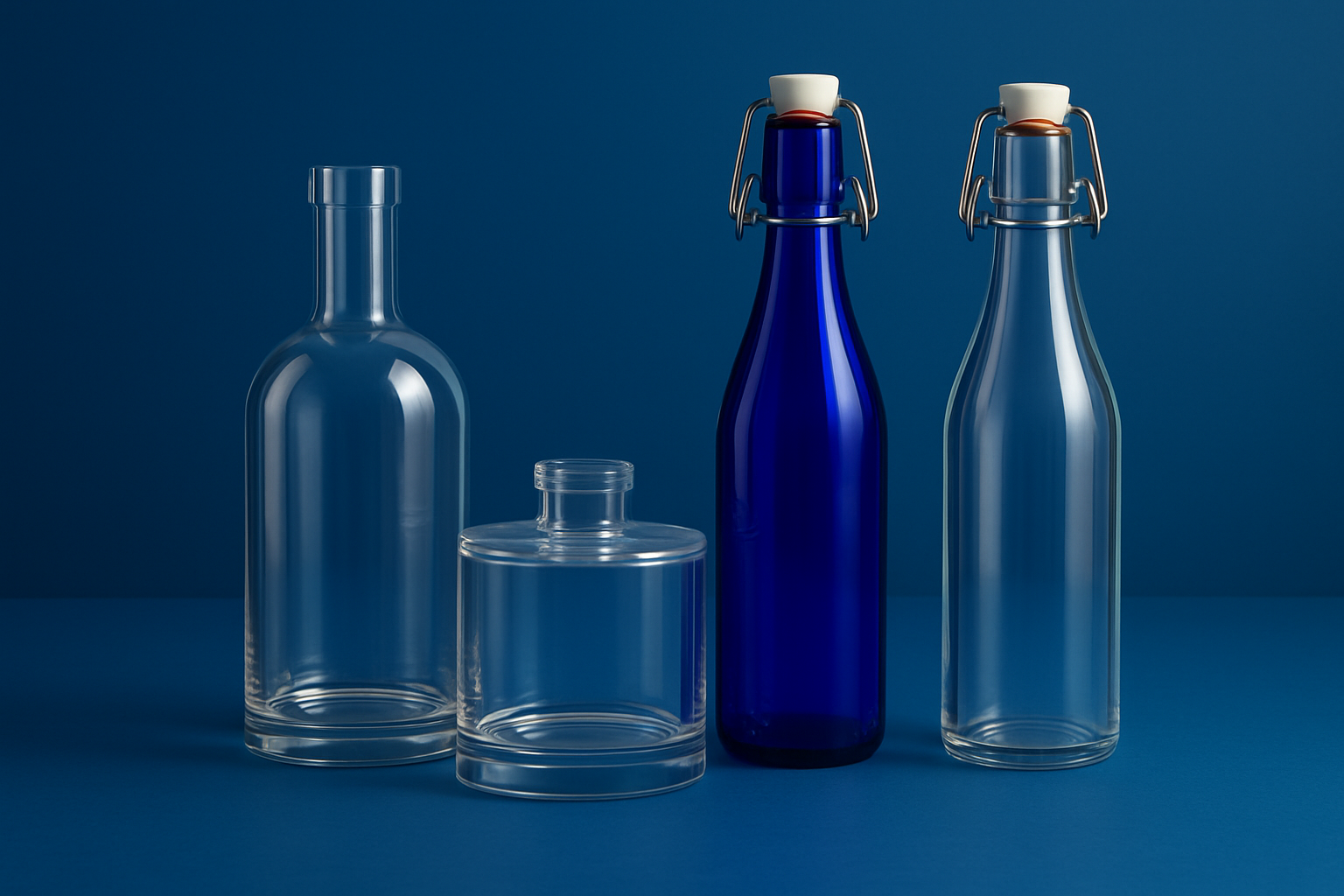
The appearance of the glass packaging is not the only important feature of the glass packaging, but the performance also matters. It is non-porous, chemically inert, impermeable, and hygienic thus one of the most secure packaging materials in the current world.
Glass preserves all the contents of a product as opposed to other materials that could react with the item. It does not take in odors, flavors, and chemicals, so the contents will be the ones originally intended during the production process to the final consumption.
What Is Glass Packaging Made From?
The composition of glass packaging is one of the greatest benefits of such packaging. Glass is produced with natural, renewable, raw materials hence it is an ecologically friendly solution.
Glass packaging consists of the following major constituents:
Silica Sand
The key structural material in glass is the silica sand. It gives it strength, transparency, and stability.
Soda Ash (Sodium Carbonate)
Soda ash reduces the melting point of silica thereby ensuring that the production of glass is energy efficient.
Limestone
Limestone gives the final glass container strength and enhances its strength.
Recycled Glass (Cullet)
Cullet is an important part of the contemporary glass production. The recycled glass can save on energy use, emission, and the use of raw materials.
These materials are melted with extremely high temperatures to become molten glass which is molded into glass bottles and glass containers of different shapes and sizes. Glass can be recycled indefinitely, and hence it contributes to a real circular economy.

What Is Glass Packaging Used For?
The glass packaging is very popular in all industries because of its flexibility, safety and high-end status. The most popular applications are as follows:
Food & Beverage Industry
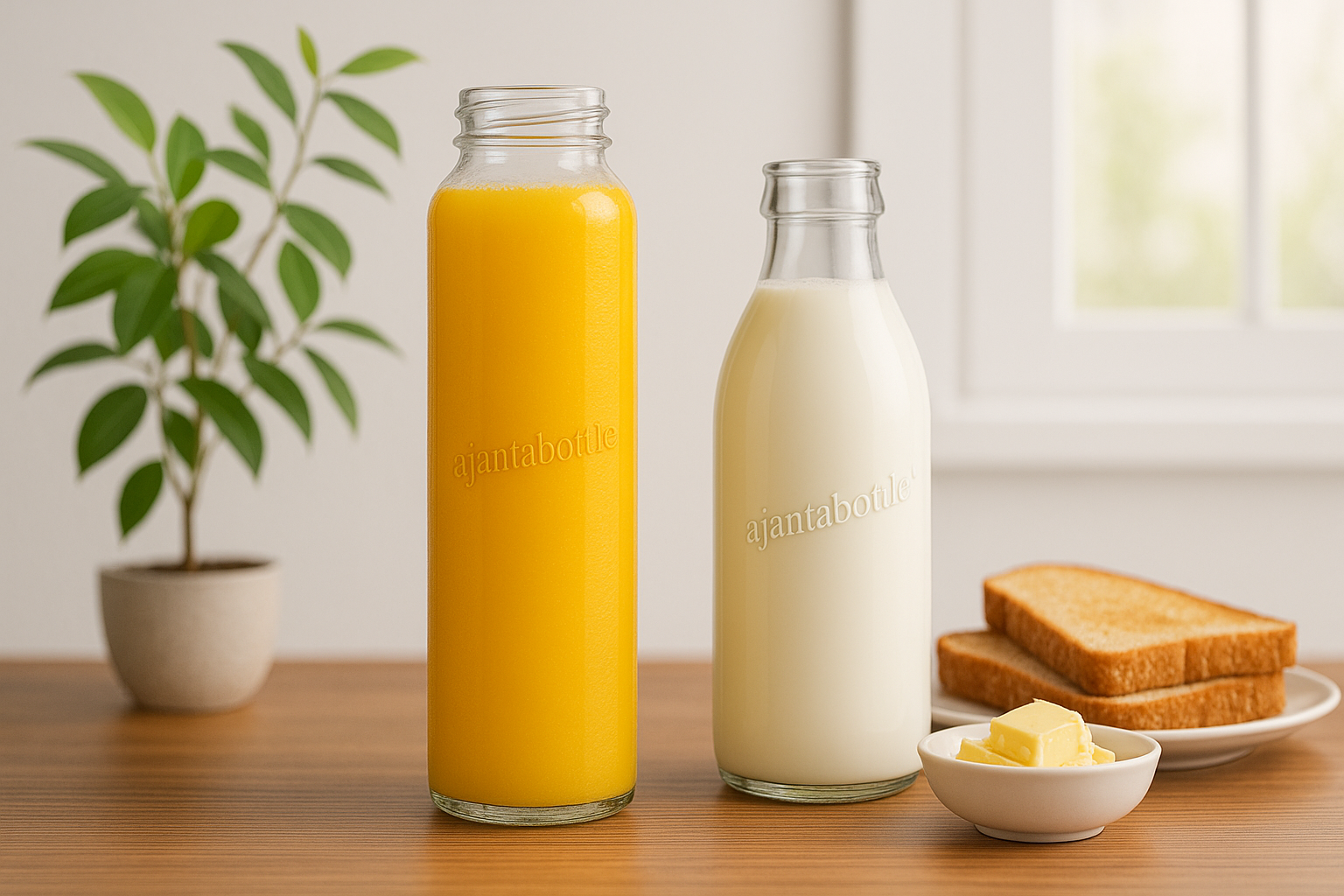
Glass bottles and jars are of choice in the food and beverage brands that focus on freshness, flavor, and shelf life. Common products include:
- Juices and soft drinks
- Sauces, jams, and spreads
- Honey, oils, and vinegar
- Wines, spirits, and craft beer.
- Pickles and condiments
Glass will be a very good barrier to oxygen and moisture, it will preserve the flavor, aroma and the nutritional value without changing the product.
Pharmaceuticals and Health Care
Packaging safety is important in the pharmaceutical and health care industry. The use of glass containers is common with:
- Syrups and oral medications
- Injectables and vaccines
- Tablets and capsules
- Laboratory and diagnostic sample.
Glass packaging provides chemical stability, sterility, and the product efficacy in the long run, that is why it is the gold standard in health care.

Cosmetics & Perfume
Personal care and cosmetics products tend to use glass bottles as a symbol of prestige and credibility. Common applications are:
- Perfume bottles
- Skincare serums and oils
- Creams and lotions
- Critical oils and fragrance items.
Glass bottles assist in covering the sensitive formulations against light and air and also improve the brand experience in general.

Chemicals & Industrial Applications
Glass packaging has also found extensive application in industries and in laboratories because it is corrosion resistant, and reacts to chemicals. Applications include:
- Laboratory reagents
- Solvents and acids
- Specialty chemicals

Luxury, Home and Lifestyle Products
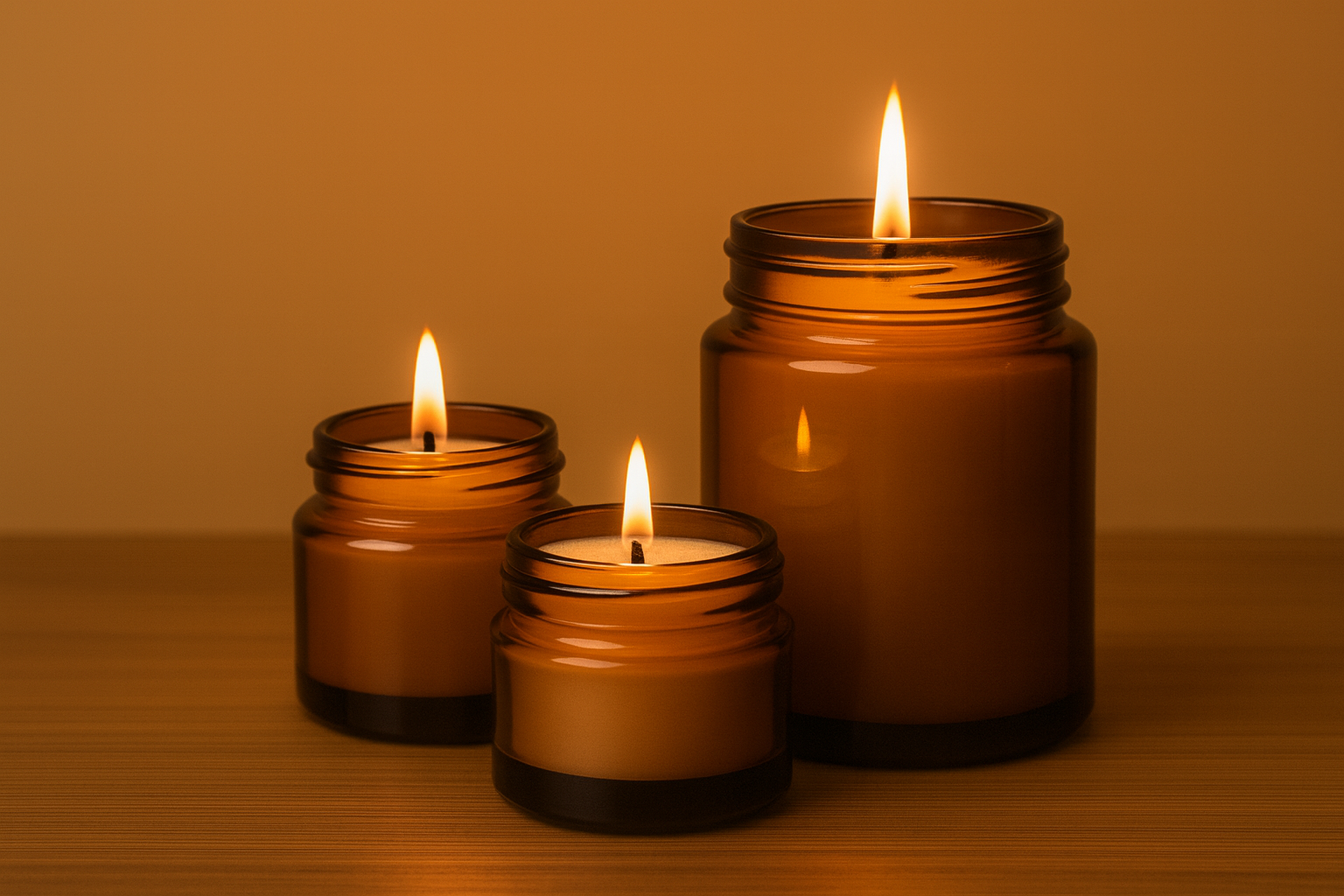
Candles, decor, artisanal foods and high end lifestyle products are typically packaged in glass containers. Their fineness, solidity and polish introduce a touch of refinement that no other material can easily rival.
Types of Glass Packaging
The performance, safety and durability of glass depend on the selection of the appropriate type of glass. The different applications demand different compositions of the glasses.
Soda-Lime Glass
The glass that is used the most as a type of packaging is called soda-lime. It is inexpensive, universal, and appropriate to food, beverage, and cosmetic items.
Borosilicate Glass
Borosilicate glass is highly resistant to thermal shock and has a variety of applications that include pharmaceutical, laboratory, and high temperature applications.
Aluminosilicate Glass
This glass has been distinguished by great strength and ability to withstand heat and mechanical stress and hence, it suits the demanding environment.
Lead (Crystal) Glass
Crystal glass is full of lead oxide making it very brilliant and clear. It is also mostly applied in decorative or luxury packaging as opposed to consumables.
The Making of Glass
Glass packaging is produced in a highly regulated and exact process that would guarantee consistency and quality.

Raw Material Batching
Raw materials are mixed in the right proportions.
Melting
The mass is heated in the furnace at temperatures over 1500C to produce molten glass.
Forming
Depending on the design, molten glass is molded or blown into glass bottles or glass containers.
Annealing
To eliminate the internal stress and enhance the strength, the containers are gradually cooled in annealing lehr.
Quality Control and Inspection
Every glass container is subjected to strict inspection in order to pass safety, dimensional and quality inspections.
Key Advantages of Glass Packaging
Glass packaging continues to be the preferred choice for brands focused on quality, sustainability, and long-term value.
- Non-reactive and safe, ensuring product purity
- 100% recyclable, supporting environmental responsibility
- Premium shelf appeal, enhancing brand perception
- Strong barrier properties, protecting against air and moisture
- Transparency, allowing consumers to see and trust the product
Important Considerations When Choosing Glass Packaging
To get the best results from glass packaging, brands should plan carefully:
- Selecting the appropriate glass type for the product
- Choosing compatible closures and sealing systems
- Designing packaging for efficient transport and handling
- Partnering with experienced manufacturers
When these factors are addressed correctly, glass packaging delivers exceptional performance.
The Glass Packaging Customization Process
Concept and Design Briefing
It starts with getting to know of the vision of the brand, the target market, and the functional requirements. This also involves the discussion of bottle shape, capacity, use (perfume, beverage, cosmetics, etc.), branding objectives and budget. An effective briefing makes the final packaging to be in line with the brand identity.
Selection of Glass Type/ Finish
Depending on the use and the positioning of the product, a suitable type of glass (flint, extra flint, colored glass) and finish is chosen. This is also done with the consideration of durability, weight, transparency, compatibility of neck finish, and aesthetics.
Prototype and 3D Mockups
To see the final bottle, 3D renders and sample prototypes are made and then the tooling starts. This enables the clients to evaluate proportions, ergonomics and shelf presence, and make refinements earlier and minimizing development risks.
Custom Mold Development
After the design is made, a special mold is produced to make the special glass bottle. Accuracy here is extremely important to ensure consistency, dimensional accuracy and scaling production efficiency.
Testing and Client Approval
Early samples of the mold are experimented with (functionally and aesthetically), and are also checked to fit with caps, pumps, or closures. The approval of the client at this level guarantees that the product is both technically and brand-wise satisfactory.
Mass Production and Quality Control
Once it is approved, it goes to full scale production. Monitoring of each batch is done by rigorous quality control measures to maintain uniformity, strength, weight consistencies and defect-free production.
Labeling, Decoration, and Delivery
The last improvements include screen printing, frosting, lacquering, embossing or labeling. They will then be well packed and delivered as finished products to be filled and introduced into the market.

Ajanta Bottle: 44 Years of Packaging That Builds India’s Shelf Presence
With over 44 years of legacy in the Indian packaging industry, Ajanta Bottle has become more than just a packaging supplier—it is a trusted partner to brands looking to scale, differentiate, and lead through design.
From the early days of supplying classic glass containers for pharmaceuticals and household staples to now providing premium glass jars, lightweight bottles, and customized aluminum cans for food and beverage businesses, Ajanta has stayed ahead by understanding what packaging really means in a competitive market.
We have worked with countless Indian brands, both legacy and new-age, helping them:
-
Launch shelf-ready products with strong first-impression value
-
Shift from plastic to glass to enhance sustainability and consumer trust
-
Integrate packaging design with brand stories for premium perception
-
Optimize for retail stocking, e-commerce delivery, and food service convenience
Our in-house decoration unit, innovative packaging machinery under Akikai, and continuous investment in research and customer education (through platforms like PackSchool) make us uniquely placed to support packaging transformations that matter.
Whether it’s a cold-pressed juice in a sleek amber glass bottle or a handcrafted pickle in a heritage-inspired jar, Ajanta Bottle enables food and beverage brands to lead with packaging that speaks louder than words.
We don’t just supply containers.
We build packaging stories that sell.
Ready to create the perfect glass packaging for your brand?
Connect with us:
● Email at sales@ajantabottle.com
● Phone/Whatsapp: +91 9891098918
You can also shop from more than 500+ packaging solutions on www.ajantabottle.com – India’s first ever comprehensive packaging e-commerce portal.
For additional information, browse through our blog at https://www.ajantabottle.com/blog/ or subscribe to our latest updates through our social media channels,
*YouTube channel: https://www.youtube.com/c/Ajantabottle
*LinkedIn Page: https://www.linkedin.com/company/ajantabottle
*Facebook Page: https://www.facebook.com/glassbottleindia
*Instagram Page: https://www.instagram.com/ajantabottle
*Google Business Profile Manager: https://g.page/r/CXTH9MKpe2DuEBM/review