Packaging has become an important part of how food and beverage brands compete. A package must protect the product, communicate quality, perform during filling and distribution, attract attention on the shelf and support the overall brand experience.
For businesses evaluating their packaging options in 2026, glass beverage bottles continue to offer a distinctive combination of functional and visual advantages.
The role of a bottle goes far beyond carrying a beverage from the production line to the consumer. Packaging comes into direct contact with the product, influences how customers perceive it and can affect the experience of opening, pouring, serving and storing it.
That is why the choice of glass beverage bottles deserves careful attention from beverage manufacturers, food brands, start-ups and established companies alike.
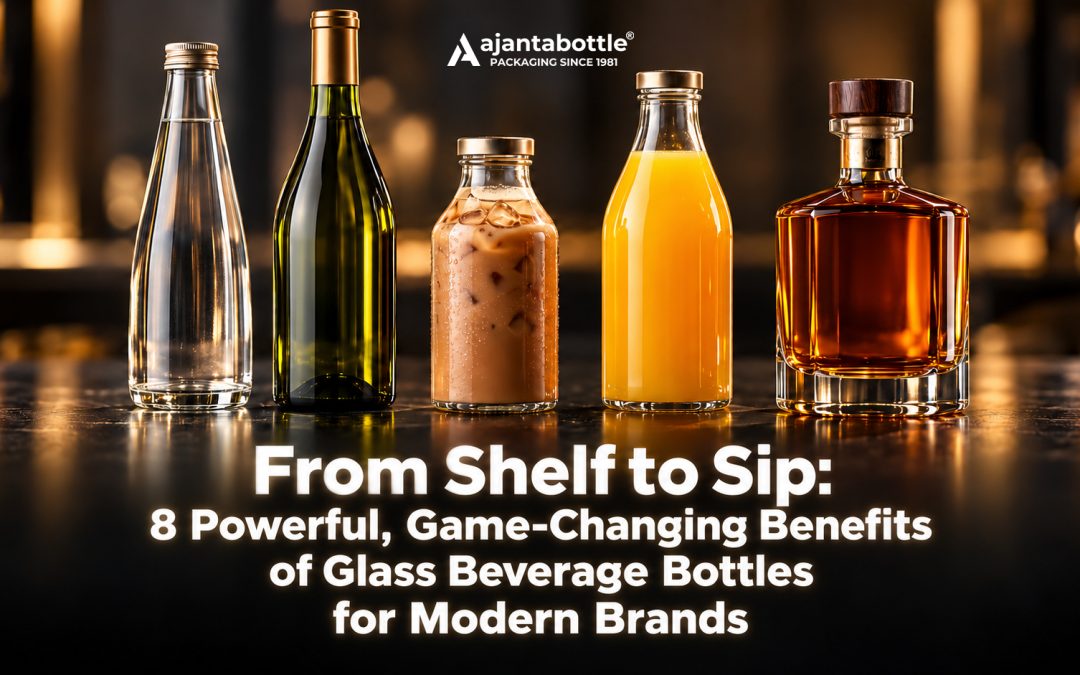
From juices and premium water to sauces, syrups, milk-based beverages, spirits and speciality drinks, glass is used across a wide range of categories.
Its relevance is closely connected with some of the qualities brands value most: product protection, taste preservation, transparency, premium appearance, recyclability and design flexibility.
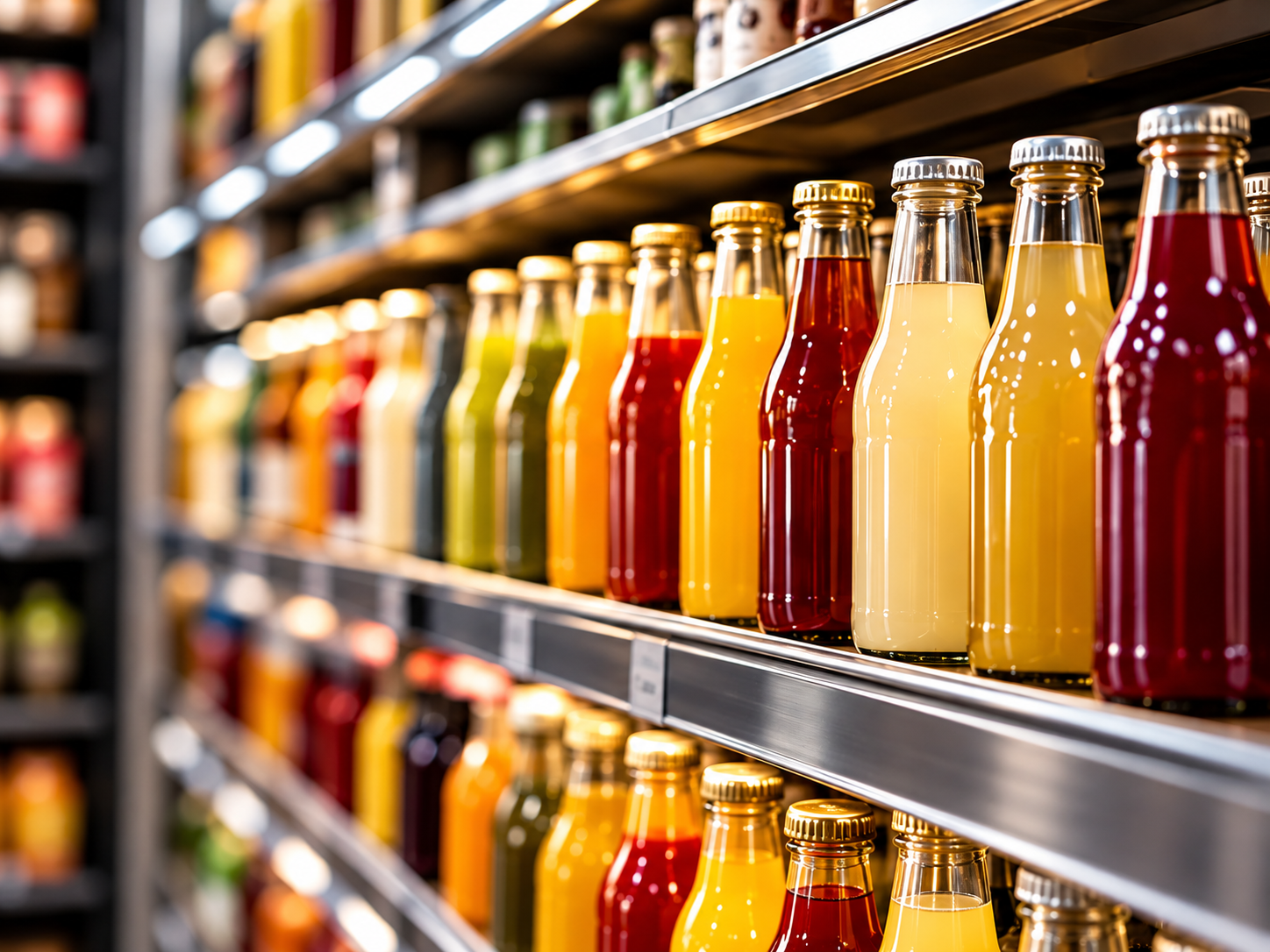
Packaging Is Part of the Product Experience
Customers rarely experience a beverage for the first time without first seeing its packaging. The shape of the bottle, colour of the product, closure, label, decoration and even the weight of the package can influence the first impression. For that reason, glass beverage bottles can become an important part of brand communication.
A clear glass bottle can place the beverage itself at the centre of the design.A coloured bottle can create a more recognisable shelf identity.
An embossed bottle can communicate heritage or craftsmanship.A distinctive silhouette can become strongly associated with a particular brand. Packaging design therefore helps convert an ordinary container into an identifiable brand asset.
This design potential is one reason glass beverage bottles remain especially relevant to brands trying to move beyond commodity packaging.
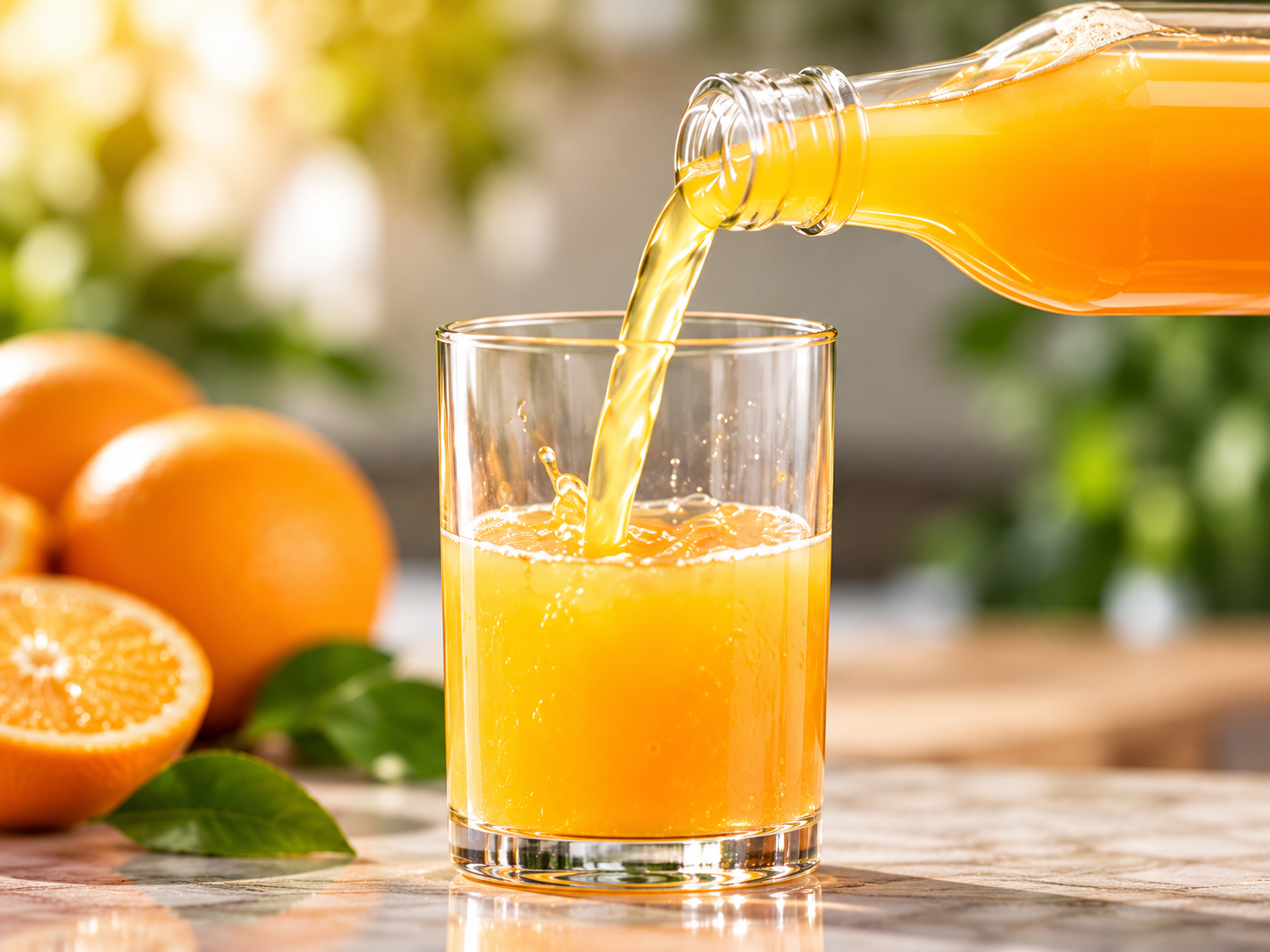
Glass Helps Preserve the Intended Taste
Taste is one of the most important characteristics of any food or beverage. Brands invest heavily in ingredients, formulations, manufacturing processes and quality control to create a particular flavour profile. Packaging should help protect that result.
This is one of the biggest advantages of glass beverage bottles. Glass is tasteless and odourless and is highly inert. FEVE explains that glass does not readily interact with the food or beverage it contains and helps preserve flavour, colour and texture.
That characteristic can be particularly valuable for beverages with delicate flavour profiles.
Consider:
- Premium juices
- Mineral water
- Flavoured water
- Cold coffee
- Milk-based drinks
- Kombucha
- Craft beverages
- Syrups
- Spirits
- Wine
- Beer
- Premium mixers
For these products, glass beverage bottles can help ensure that consumers experience the flavour the brand originally intended. Packaging should not become an unwanted flavour ingredient.
The inert nature of glass helps minimise interaction between the container and its contents.
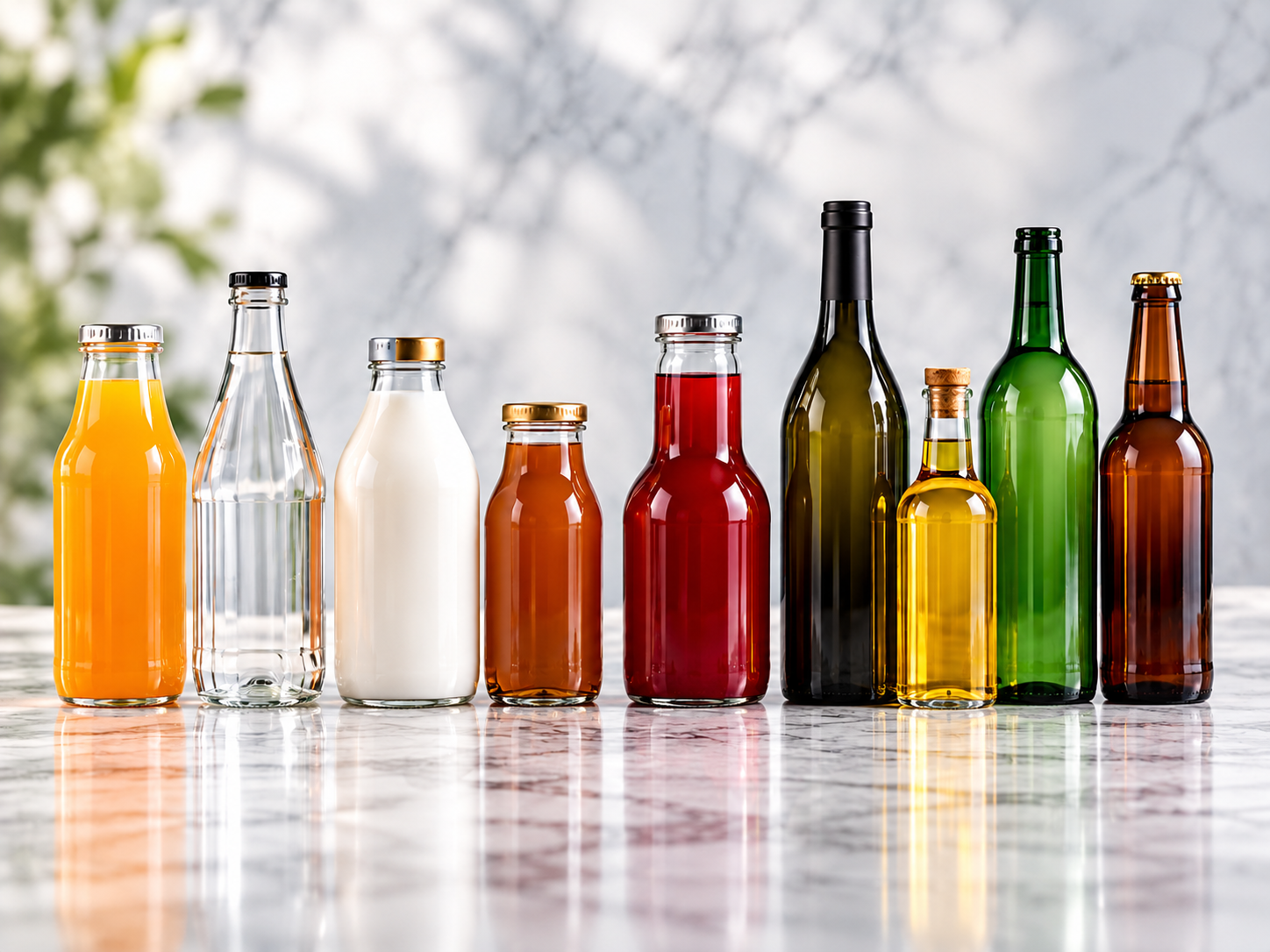
Aroma Matters Just as Much as Taste
Aroma plays an important role in many beverages. Coffee, spirits, juices, fermented beverages and speciality drinks can all depend heavily on aroma to deliver the intended sensory experience.
The barrier performance of glass beverage bottles helps protect volatile characteristics that contribute to flavour and aroma.The Glass Packaging Institute notes that glass has an almost zero rate of chemical interaction with packaged products and helps products retain their strength, aroma and flavour.
This makes glass beverage bottles useful for brands positioning their products around authenticity, craftsmanship or quality ingredients. A premium beverage deserves packaging capable of supporting its sensory characteristics throughout storage and distribution.
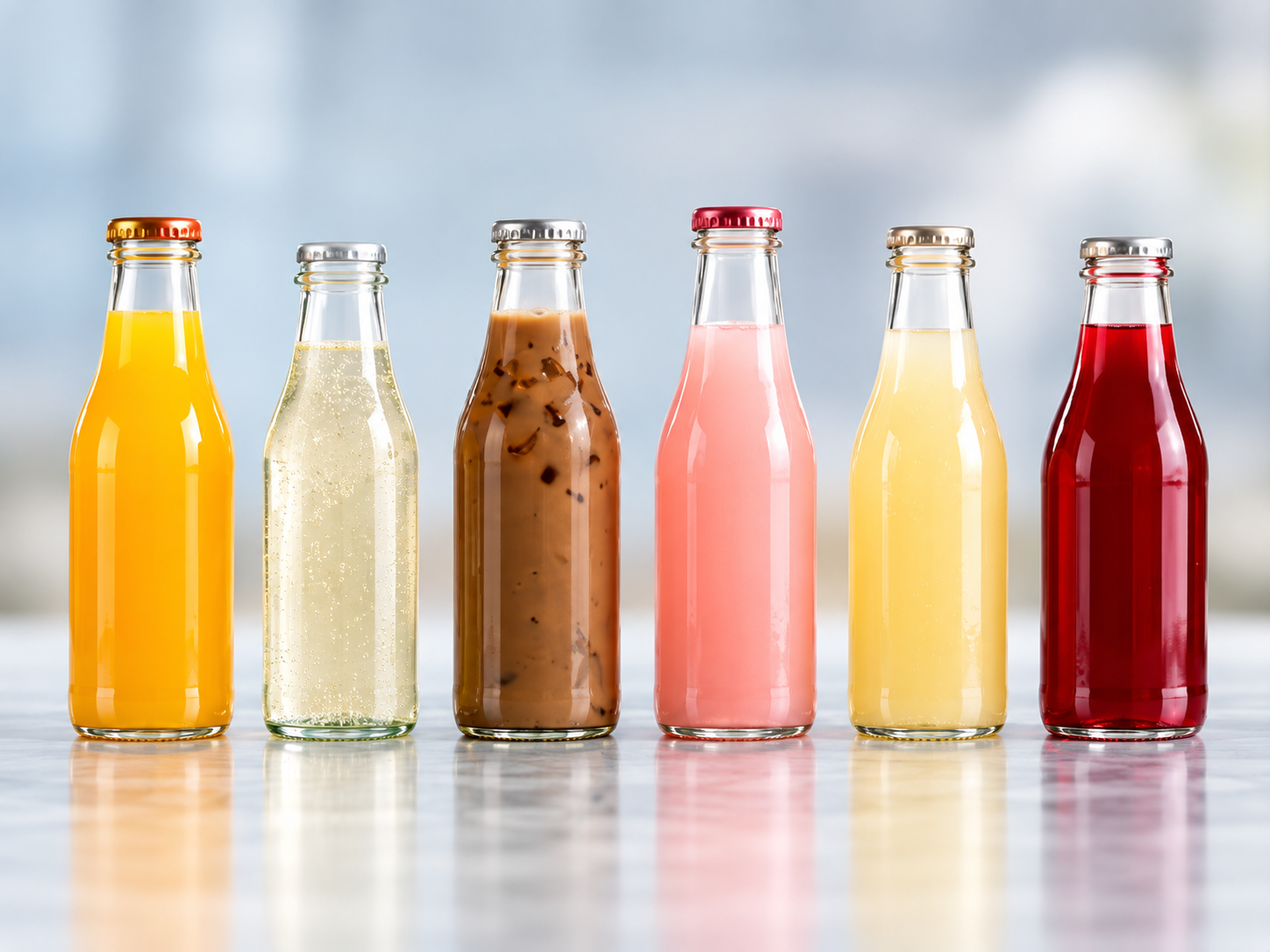
Glass Creates a Strong Barrier
Food and beverage products can be affected by exposure to oxygen, moisture, contaminants and other environmental conditions.
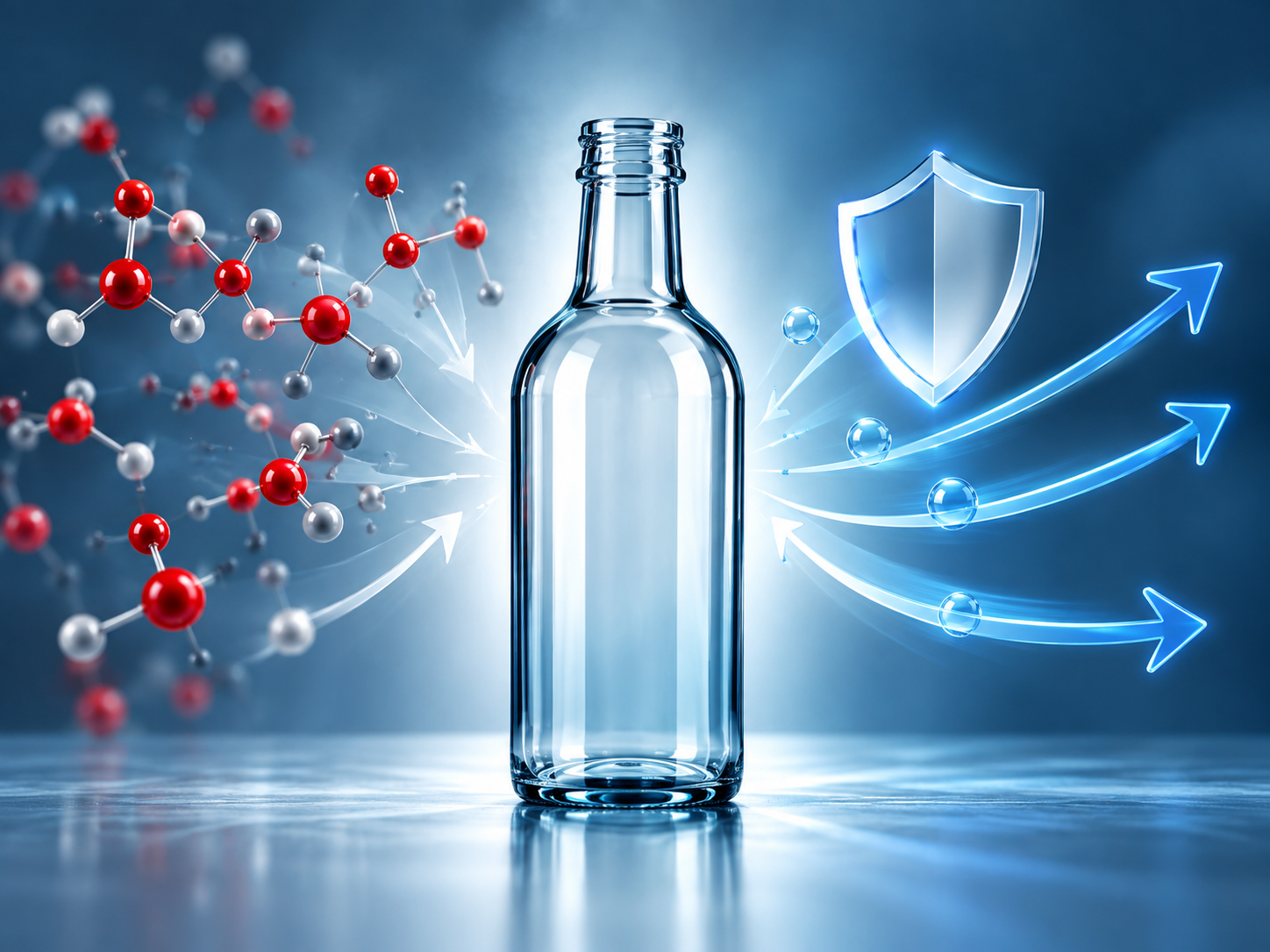
Packaging must therefore act as a protective barrier. Glass beverage bottles are nonporous and impermeable, creating a strong separation between the packaged product and the surrounding environment. This is particularly important where freshness and formulation stability are essential.
A properly designed complete packaging system combines the bottle with the correct closure to create the required seal. The Glass Packaging Institute notes that glass containers can work with vacuum and high-pressure sealing systems and provide barriers against oxygen and moisture.
As a result, glass beverage bottles can form an effective component of a complete preservation system. However, the bottle, closure and filling process should always be tested together for the specific product.
Customers Can See What They Are Buying
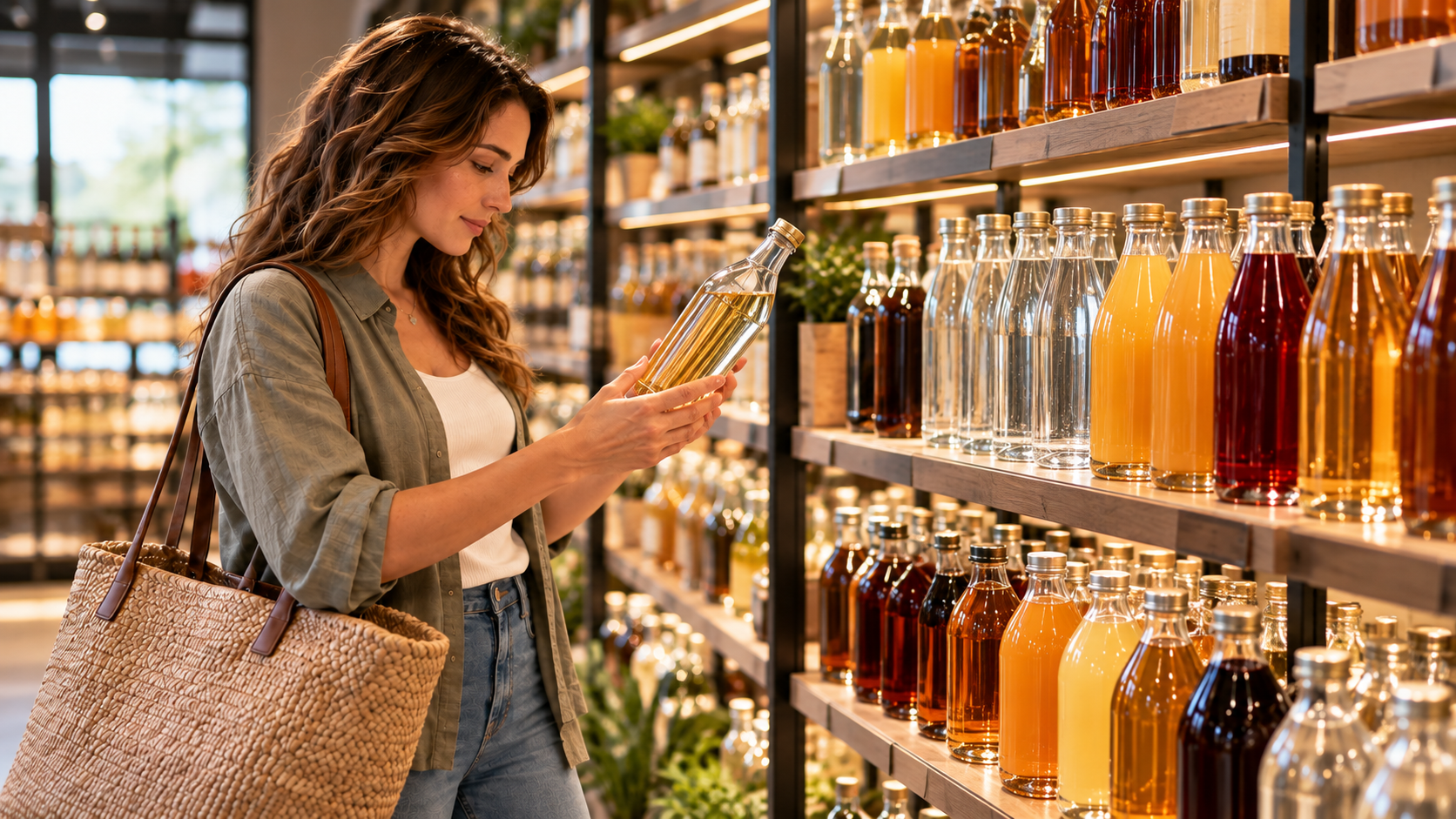
Transparency is one of the most immediately visible characteristics of glass.
With clear glass beverage bottles, the product itself becomes part of the packaging design.
Consumers can observe: the colour of juice, clarity of water, richness of a syrup, texture of a speciality drink, orthe appearance of a premium beverage.
That visibility can create confidence, Rather than relying entirely on printed photographs and graphics, the brand can allow the actual beverage to communicate quality. For products with attractive natural colours, glass beverage bottles provide an opportunity to use the formulation itself as a visual element.
The label and decoration can then become more minimal. This approach can work particularly well for premium juices, speciality beverages, dairy drinks and gourmet products.
Clear Glass Is Not the Only Option
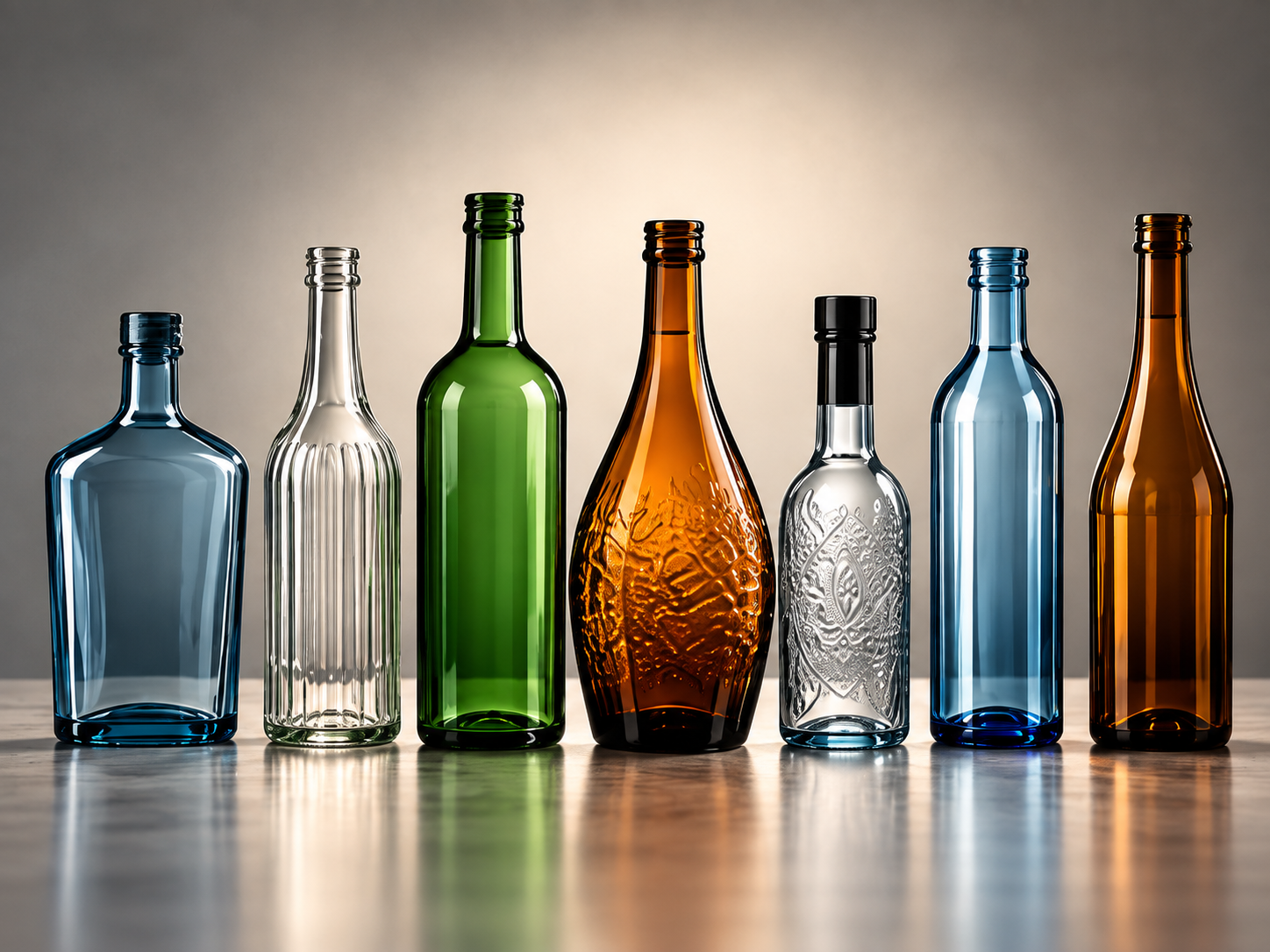
Transparency does not mean every brand must use completely clear glass. Different colours of glass beverage bottles can serve both functional and aesthetic purposes. Amber and green glass, for example, can help reduce exposure to certain wavelengths of light.
For beverage companies, glass colour should therefore be considered alongside the formulation and desired brand identity.
A dark amber bottle can communicate tradition.
Green glass can create a familiar premium beverage identity.
Flint glass can provide maximum product visibility.
The flexibility of glass beverage bottles allows packaging teams to balance appearance and product-protection requirements
Glass Can Make a Beverage Feel More Premium
Premiumisation continues to shape beverage categories. Consumers increasingly encounter premium water, speciality juices, craft drinks, gourmet mixers and sophisticated non-alcoholic beverages alongside established wine and spirits categories.
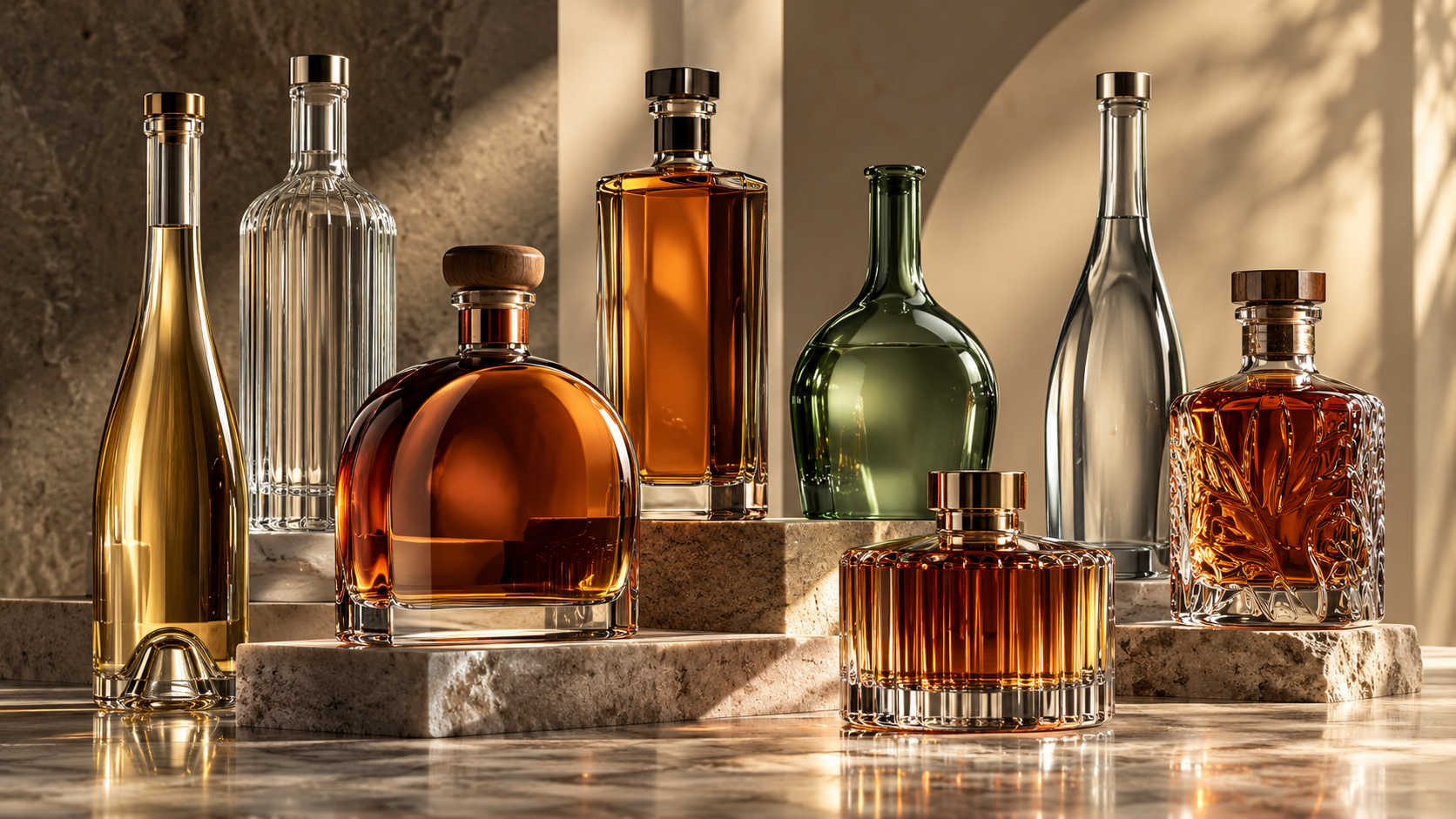
Packaging plays a major role in making these products feel differentiated. Glass beverage bottles have a natural visual and tactile presence that can support premium positioning.
Their rigidity, clarity, weight and interaction with light create a distinctive experience. A consumer holding a carefully designed glass bottle often experiences more than the liquid itself. The package contributes to the occasion.
This is why glass beverage bottles are frequently found in hospitality, restaurants, premium retail and gifting categories. Glass can help transform everyday consumption into a more considered experience.
Bottle Shape Can Build Brand Recognition
A label is not the only way to make packaging recognisable.
The structure of glass beverage bottles can itself become a powerful branding element.
Brands can explore:
- Round bottles
- Square bottles
- Rectangular forms
- Shoulder variations
- Long-neck bottles
- Short-neck formats
- Embossed designs
- Textured surfaces
- Distinctive bases
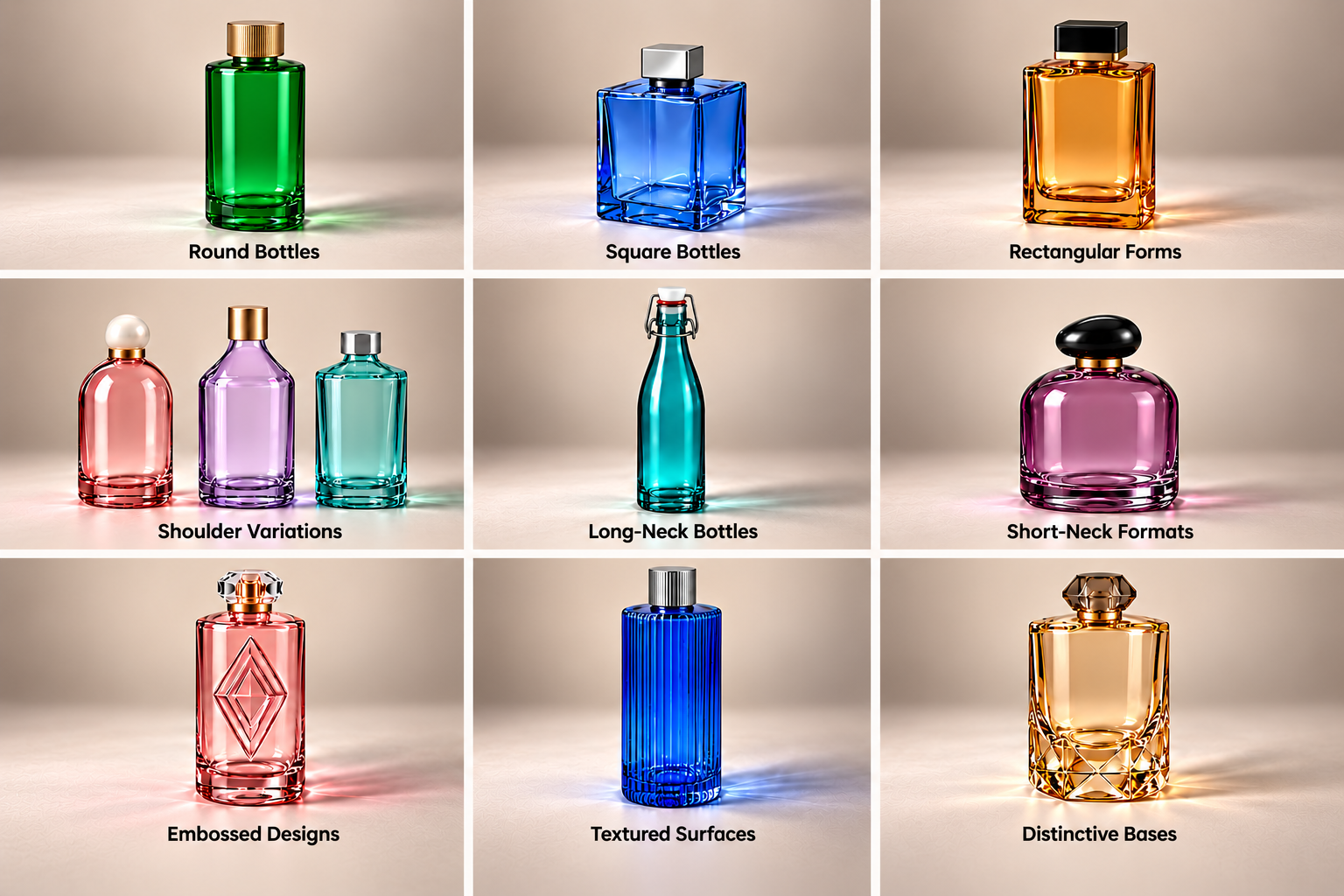
A strong bottle shape can remain recognisable even when viewed from a distance. This makes glass beverage bottles valuable for brands aiming to build long-term packaging recognition.
A signature shape may become associated with the brand in advertising, social media, retail displays and hospitality environments. When the packaging itself becomes memorable, brands gain another communication asset.
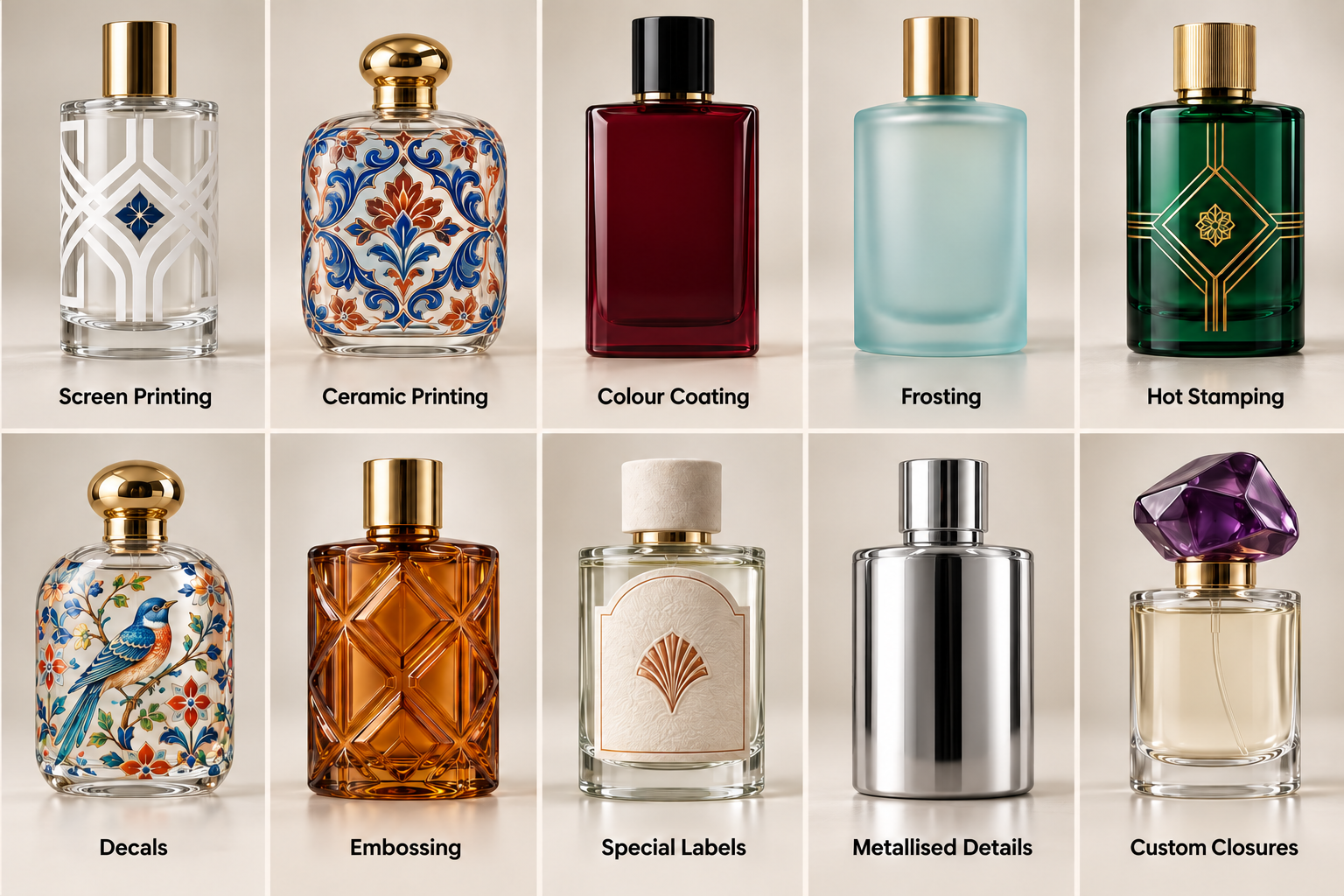
Decoration Creates Even More Possibilities
The physical form of the bottle is only the starting point.
Glass beverage bottles can support a wide range of decoration techniques depending on the bottle specification and intended application.
These may include:
- Screen printing
- Ceramic printing
- Colour coating
- Frosting
- Hot stamping
- Decals
- Embossing
- Special labels
- Metallised details
- Custom closures
Food Brands Can Benefit Too
Although the keyword focuses on glass beverage bottles, the same material characteristics make glass valuable across food packaging.
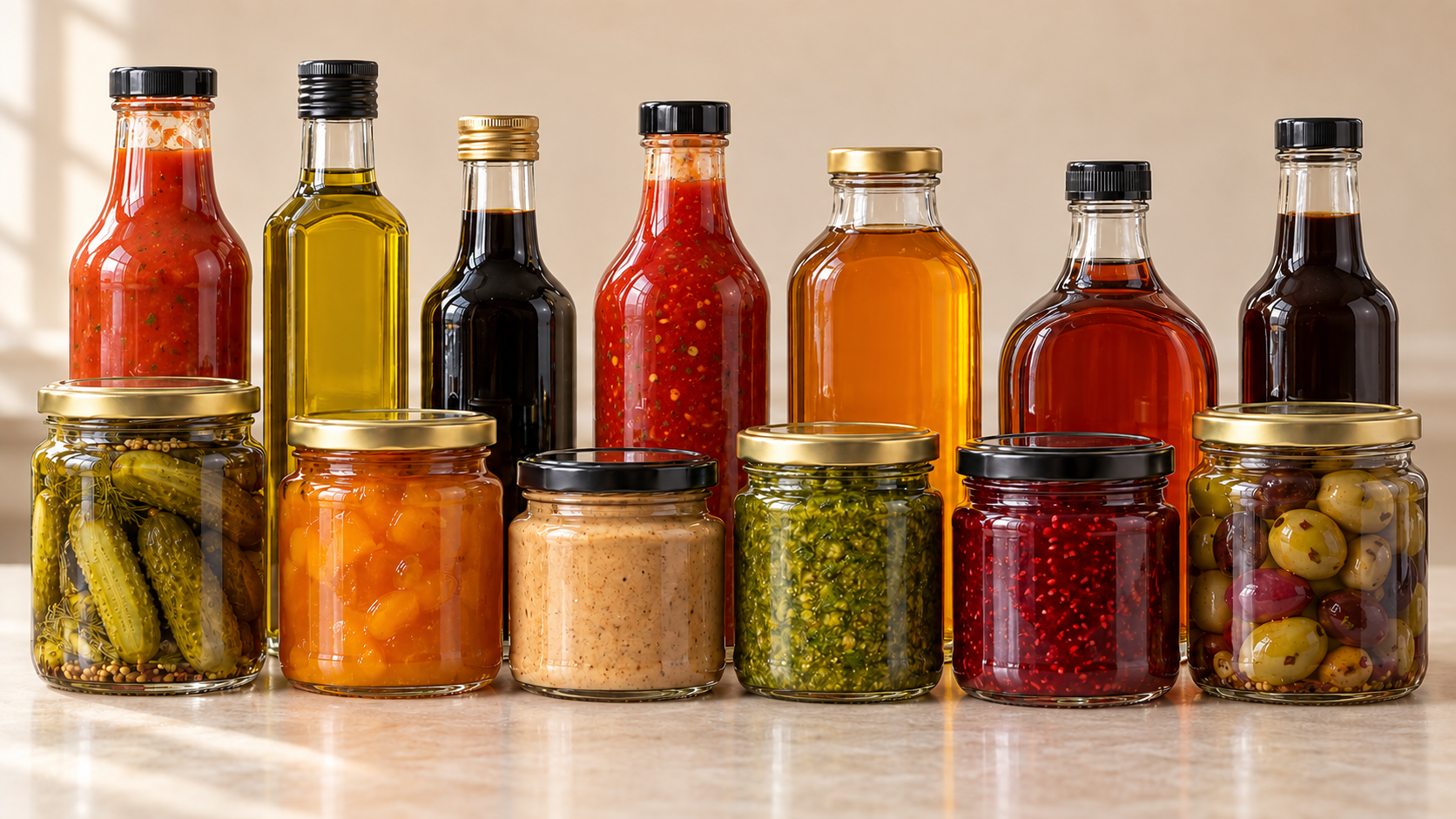
Glass bottles are commonly used for sauces, oils, vinegars, dressings, condiments, honey, syrups and cooking ingredients. Glass jars serve products such as pickles, preserves, spreads, chutneys, jams and speciality foods.
The underlying advantages remain similar, Glass does not readily absorb food, flavours or odours.
- It provides strong barrier performance.
- It can withstand appropriate hot- and cold-filling conditions when correctly specified.
- It showcases the product.
- It supports premium branding.
The use of glass beverage bottles therefore sits within a wider opportunity for food and beverage companies to build consistent glass packaging portfolios.
Glass Can Reinforce a Natural or Authentic Position
Many brands want their packaging to communicate authenticity. They may focus on traditional recipes, natural ingredients, small-batch manufacturing or premium sourcing. In these situations, glass beverage bottles can complement the story.
Glass has a familiar connection with traditional food and drink packaging. At the same time, modern bottle design allows that familiar material to be presented in contemporary forms.
Brands can combine heritage and modernity. For example, a traditional product could use a classic bottle shape with modern typography and minimal decoration.
A contemporary drink could use an unusual glass shape with transparent branding. Because glass beverage bottles can communicate both tradition and sophistication, they offer flexibility across very different positioning strategies.
Lightweighting Is Improving Modern Glass Packaging
One of the traditional concerns associated with glass is weight, Modern glass manufacturing is increasingly addressing this through lightweighting. The Glass Packaging Institute reports that today’s glass containers are significantly lighter than comparable containers produced decades ago.
Lightweight glass beverage bottles aim to maintain required structural performance while reducing unnecessary material.
For brands, lightweighting can potentially influence:
Raw-material consumption, shipping weight, pallet efficiency and overall packaging optimisation.
The goal should not simply be to make the lightest bottle possible. Performance remains essential. Instead, glass beverage bottles should be engineered to use the appropriate amount of glass for their filling process, closure, transportation requirements and product category.
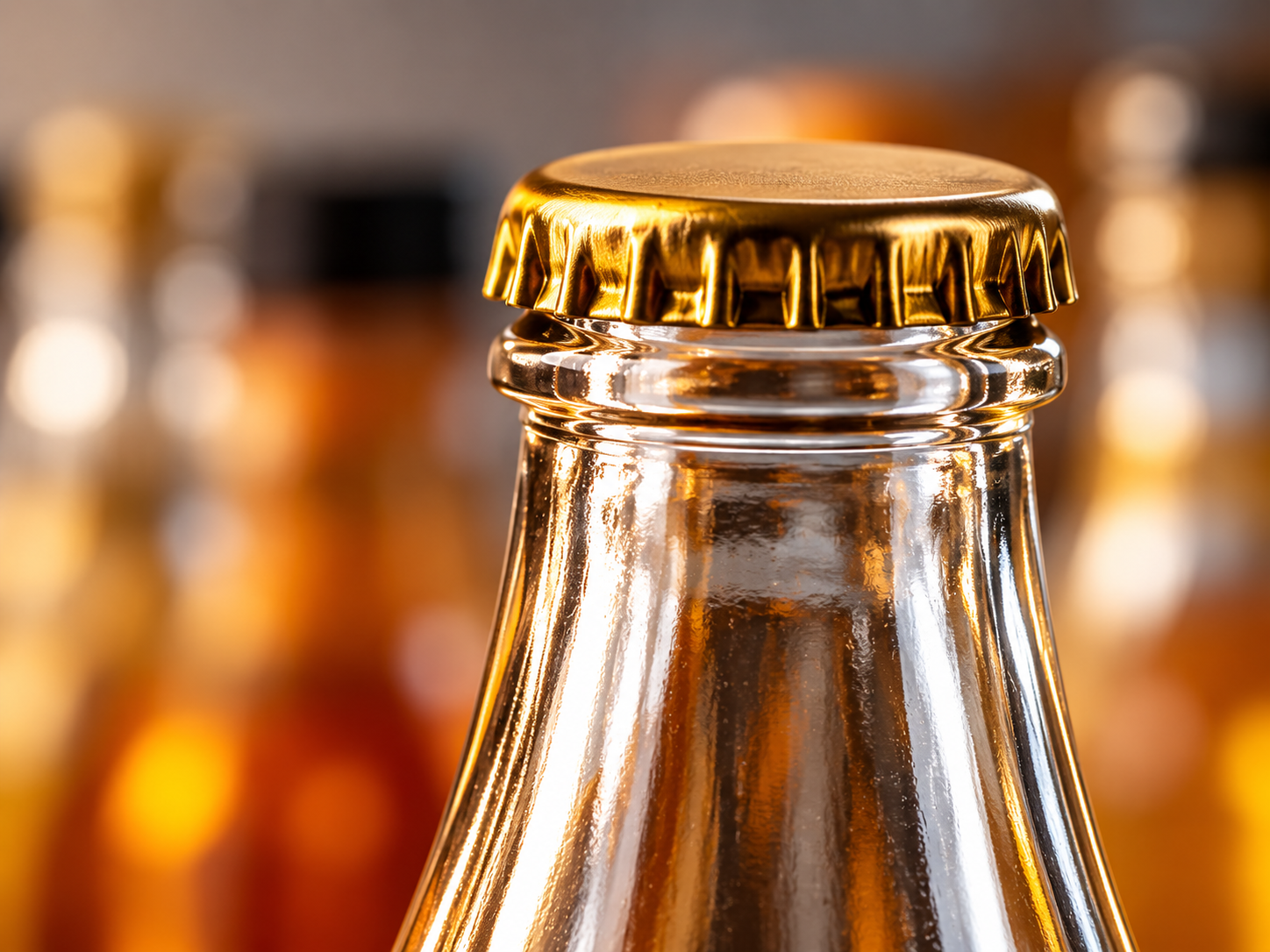
Neck Finish and Closure Compatibility Are Critical
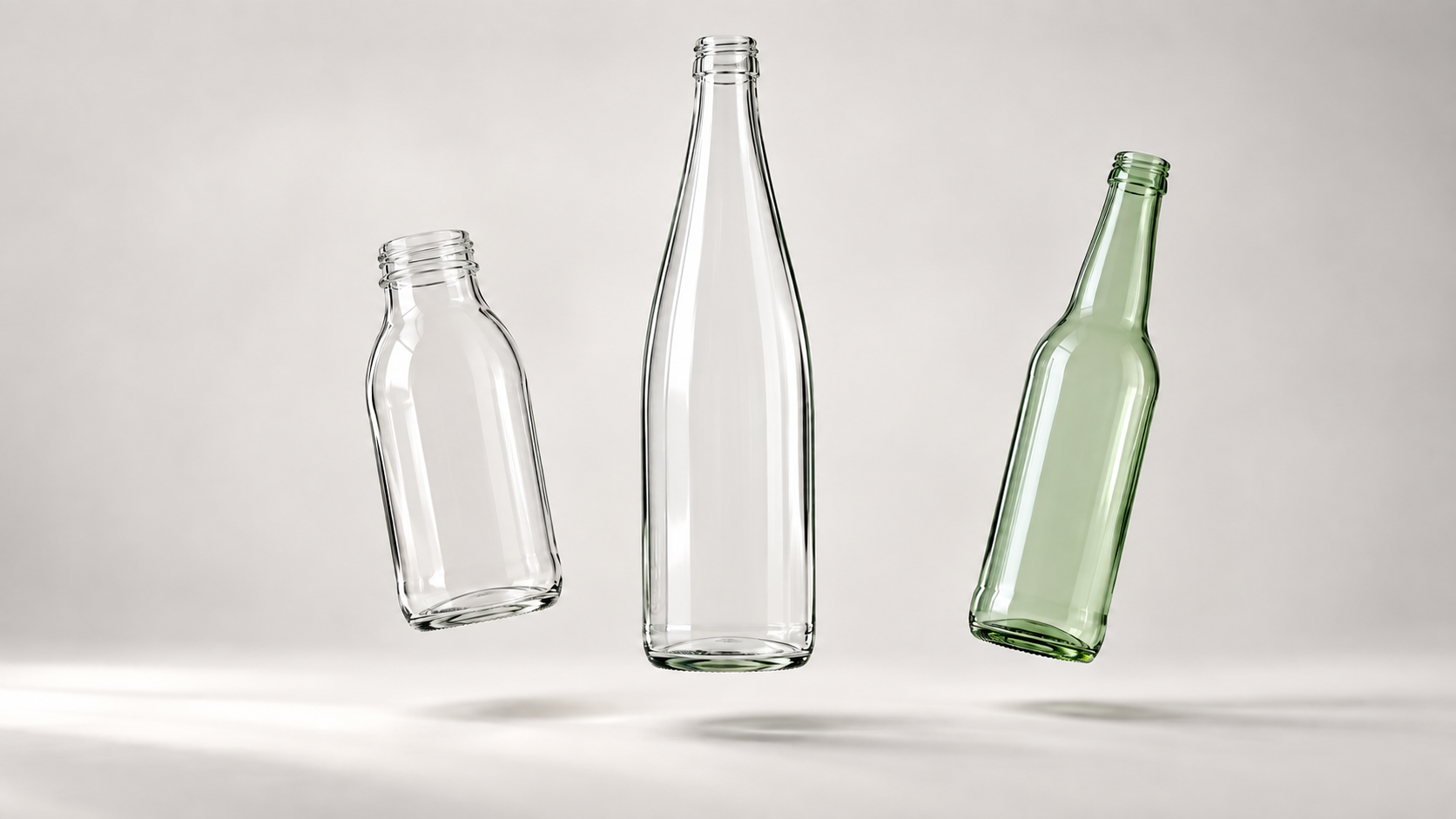
The bottle neck determines which closures can be used.
This makes the neck specification one of the most important features of glass beverage bottles. Depending on the product, closure options may include screw caps, lug closures, crown closures, corks or specialised dispensing systems.
The bottle and closure must work together to achieve required sealing performance. A mismatch can create leakage, oxygen ingress, inconsistent opening performance or filling-line difficulties.
Brands selecting glass beverage bottles should therefore confirm: neck dimensions, closure specifications, liner compatibility, torque requirements,
sealing performance and product compatibility.
Testing the complete packaging system before commercial production can prevent expensive issues later.
Glass Can Support Different Consumption Occasions
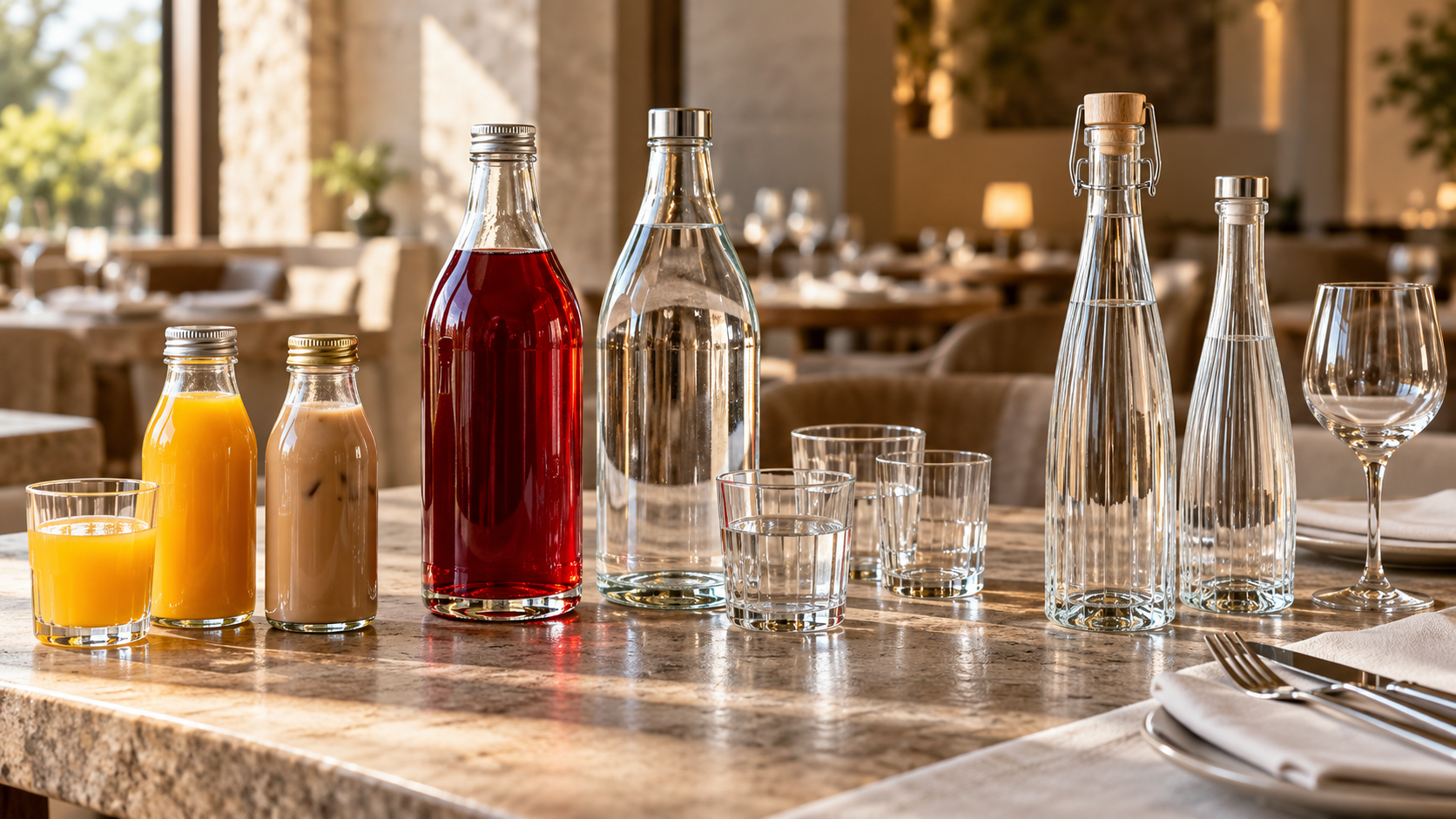
Modern beverage categories are becoming increasingly diverse. Consumers purchase beverages for home use, restaurants, hotels, gifting, events, travel and premium social occasions.
Glass beverage bottles can be designed around these different contexts, smaller bottles can support individual servings.Larger bottles can suit shared occasions, elegant designs can target hospitality.
Heavy-base premium bottles can work for gifting, Simple lightweight bottles can support high-volume retail products. This flexibility enables brands to use glass beverage bottles across different ranges while maintaining a consistent material identity.
Glass Photographs Well for Digital Commerce
Packaging no longer competes only on the physical shelf.
Products are increasingly discovered through websites, social media, marketplaces and digital advertising. This adds another advantage to glass beverage bottles.
Glass interacts attractively with light. Reflections, transparency, product colour and embossed surfaces can create strong photography. A clear bottle filled with a vibrant beverage can become visually distinctive with relatively simple styling.
For premium brands, glass beverage bottles can therefore perform both on the physical shelf and on the digital screen. Packaging design should consider both environments.
Why Glass Beverage Bottles Remain Relevant in 2026
Food and beverage packaging continues to evolve. Brands are looking for premiumisation.
Consumers expect greater transparency. Businesses are paying more attention to packaging recyclability. Product differentiation is becoming increasingly important.
And packaging must perform across both physical and digital retail environments. These trends give glass beverage bottles a strong role.
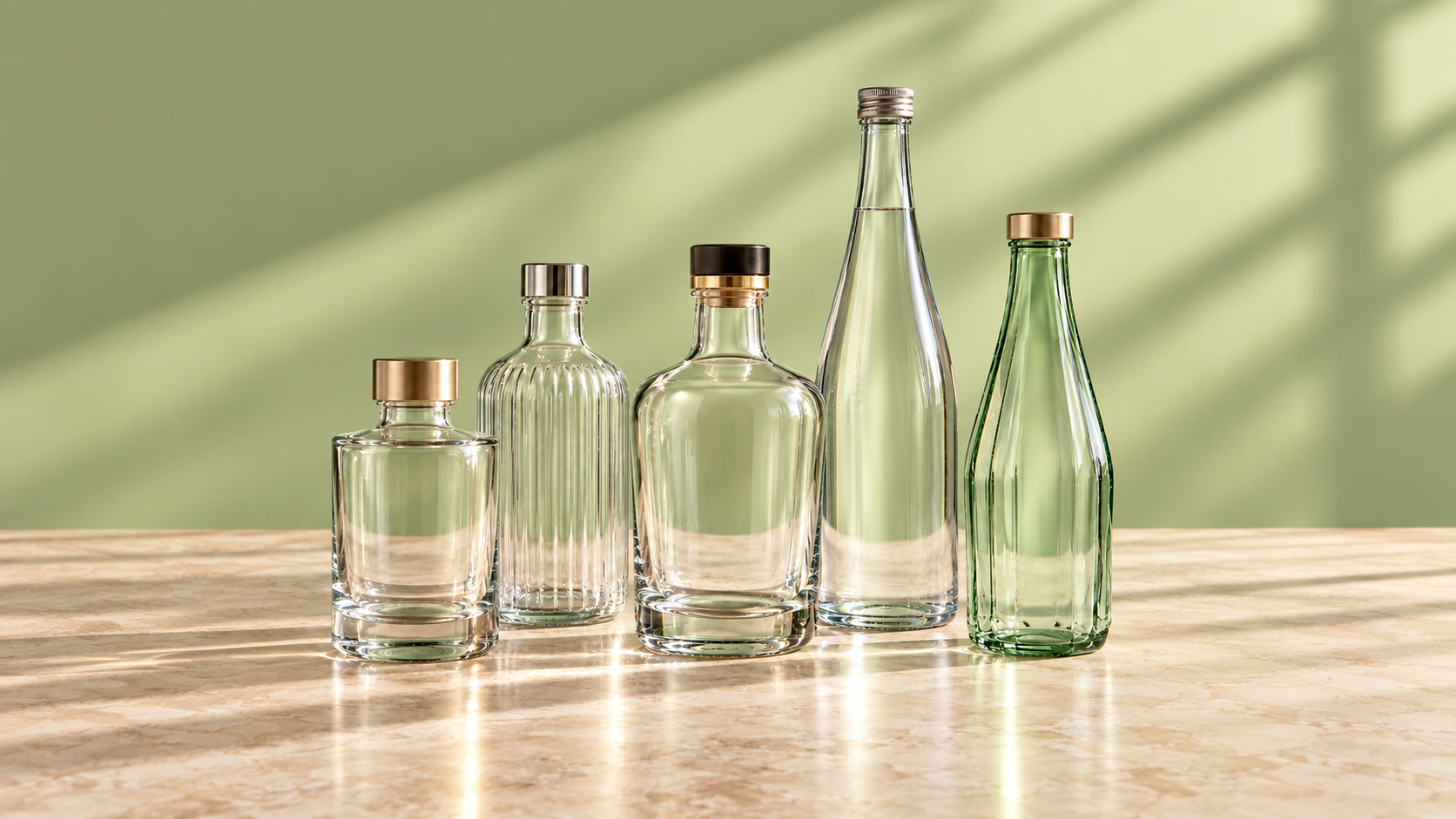
Glass combines visibility, barrier performance, inertness, design flexibility and recyclability within one packaging material. Rather than competing through one characteristic alone, glass beverage bottles bring several advantages together. That combination is what makes glass particularly useful for brands that want packaging to protect the product while also strengthening its identity.
Ajanta Bottle: 45 Years of Packaging That Builds India’s Shelf Presence
With over 44 years of legacy in the Indian packaging industry, Ajanta Bottle has become more than just a packaging supplier it is a trusted partner to brands looking to scale, differentiate, and lead through design.
From the early days of supplying classic glass containers for pharmaceuticals and household staples to now providing premium glass jars, lightweight bottles, and customized aluminum cans for food and beverage businesses, Ajanta has stayed ahead by understanding what packaging really means in a competitive market.
We have worked with countless Indian brands, both legacy and new-age, helping them:
Launch shelf-ready products with strong first-impression value
Shift from plastic to glass to enhance sustainability and consumer trust
Integrate packaging design with brand stories for premium perception
Optimize for retail stocking, e-commerce delivery, and food service convenience
Our in-house decoration unit, innovative packaging machinery under Akikai, and continuous investment in research and customer education (through platforms like PackSchool) make us uniquely placed to support packaging transformations that matter.
Whether it’s a cold-pressed juice in a sleek amber glass bottle or a handcrafted pickle in a heritage-inspired jar, Ajanta Bottle enables food and beverage brands to lead with packaging that speaks louder than words.
We don’t just supply containers.
We build packaging stories that sell.
Ready to create the perfect glass packaging for your brand?
Connect with us:
● Email at sales@ajantabottle.com
● Phone/Whatsapp: +91 9891098918
You can also shop from more than 500+ packaging solutions on www.ajantabottle.com – India’s first ever comprehensive packaging e-commerce portal.
For additional information, browse through our blog at https://www.ajantabottle.com/public/blog/ or subscribe to our latest updates through our social media channels,
*YouTube channel: https://www.youtube.com/c/Ajantabottle
*LinkedIn Page: https://www.linkedin.com/company/ajantabottle
*Facebook Page: https://www.facebook.com/glassbottleindia
*Instagram Page: https://www.instagram.com/ajantabottle
*Google Business Profile Manager: https://g.page/r/CXTH9MKpe2DuEBM/review